Flexible software licensing is no longer a luxury—it’s essential for software publishers and developers facing diverse market demands. Choosing the right model—whether perpetual, subscription, trial, node-locked, or cloud floating—shapes your product’s success and customer satisfaction. This guide breaks down key software licensing models and shows how Quick License Manager handles them all, helping you protect your software and streamline license delivery. Schedule a live QLM demo to see these solutions in action and find the perfect fit for your product.
Understanding Core Licensing Models
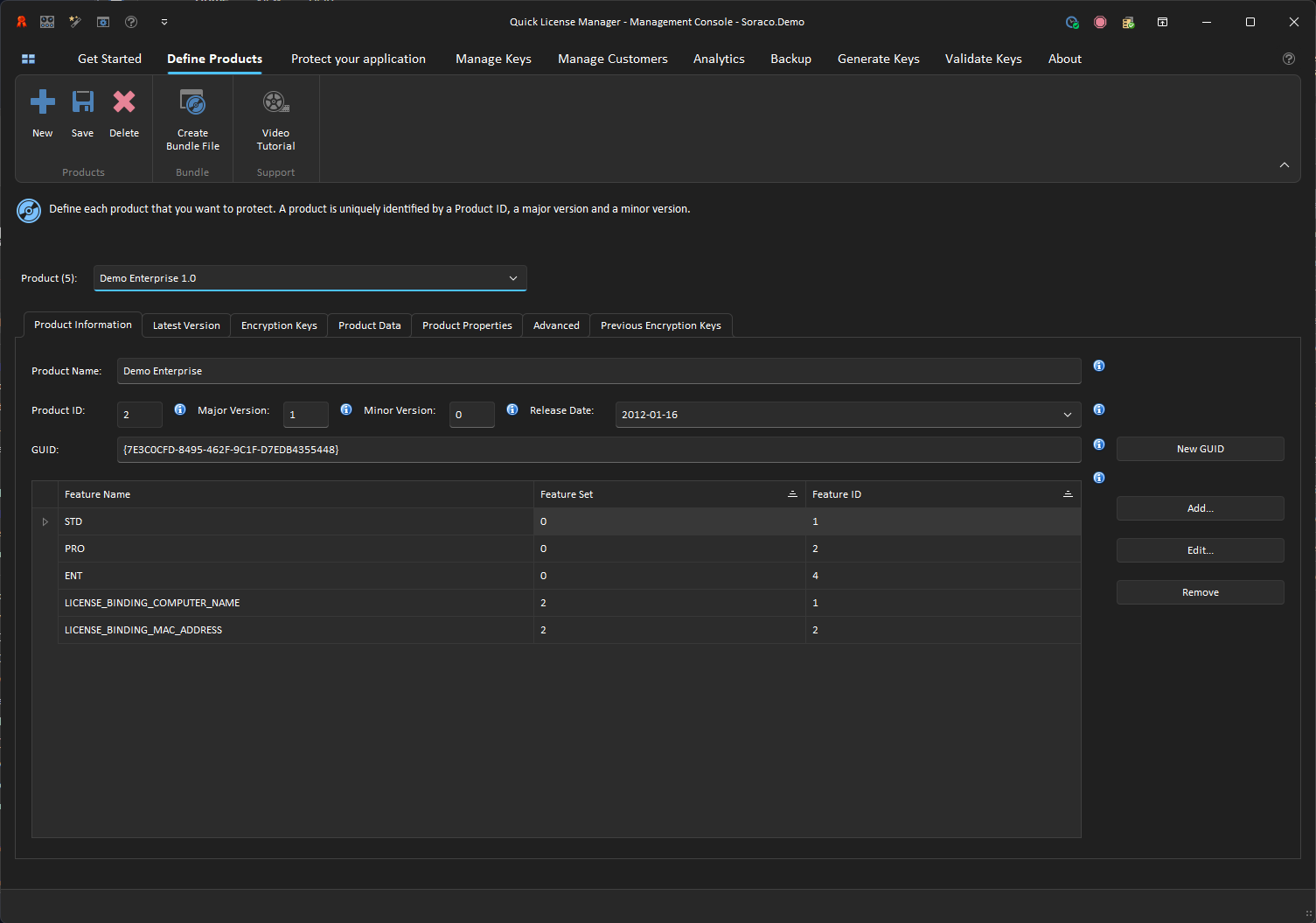
When considering how to license your software, understanding the basic types is crucial. Each model offers unique benefits and challenges, making it vital to pick the right one for your needs.
Perpetual vs Subscription Licensing
Perpetual and subscription licenses are two of the most common models. Perpetual licenses grant users indefinite access to the software. This model is ideal if you prefer a one-time payment structure. On the other hand, subscription licensing involves ongoing payments, typically monthly or annually. This model suits those seeking regular updates and support. When deciding, consider your cash flow needs and customer preferences. A perpetual license might provide a quick revenue boost, while subscriptions can create steady income.
Trial License Management Essentials
Trial licenses let users test software before buying. This approach can significantly boost conversions by letting potential customers experience the software’s benefits firsthand. Effective trial management involves setting clear trial periods and features. Be sure to have a strategy for converting trial users to paying customers. Timely follow-ups and reminders can make a big difference. If you manage trials effectively, you can turn curious users into loyal customers.
Node-Locked and Floating Licenses
Node-locked licenses bind software to a specific device. This method ensures control over software usage but can limit flexibility. Floating licenses, however, allow software to be used on any device within a network, based on availability. This is useful for teams sharing resources. The choice between node-locked and floating licenses depends on your target market and how flexible you want your licensing to be.
Selecting the Right Licensing Strategy

Choosing the right licensing strategy involves more than just picking a model. You need to assess your product’s needs and the market landscape to ensure your licensing aligns with your business goals.
Evaluating Product and Market Needs
Understanding your product and market is the first step. Think about your users: how they interact with your software, and what they value most. Consider industry trends and competitor offerings to position your product effectively. By matching your licensing with market demands, you can offer solutions that meet your customers’ needs while enhancing your competitive edge.
Criteria for License Model Selection
Selecting a license model involves more than just personal preference. Consider factors like customer expectations, revenue goals, and product lifecycle. Are your customers looking for flexibility, or do they prefer a one-time investment? Assess these elements to choose a model that aligns with both your business objectives and customer preferences.
Mapping Licensing to Go-To-Market
Mapping your licensing strategy to your go-to-market plan ensures coherence in your approach. Align licensing models with your sales and marketing strategies to maximize impact. This could mean offering trial licenses to new markets or subscription models for ongoing updates. By synchronizing your licensing with your market approach, you can optimize both customer acquisition and retention.
Implementing with Quick License Manager
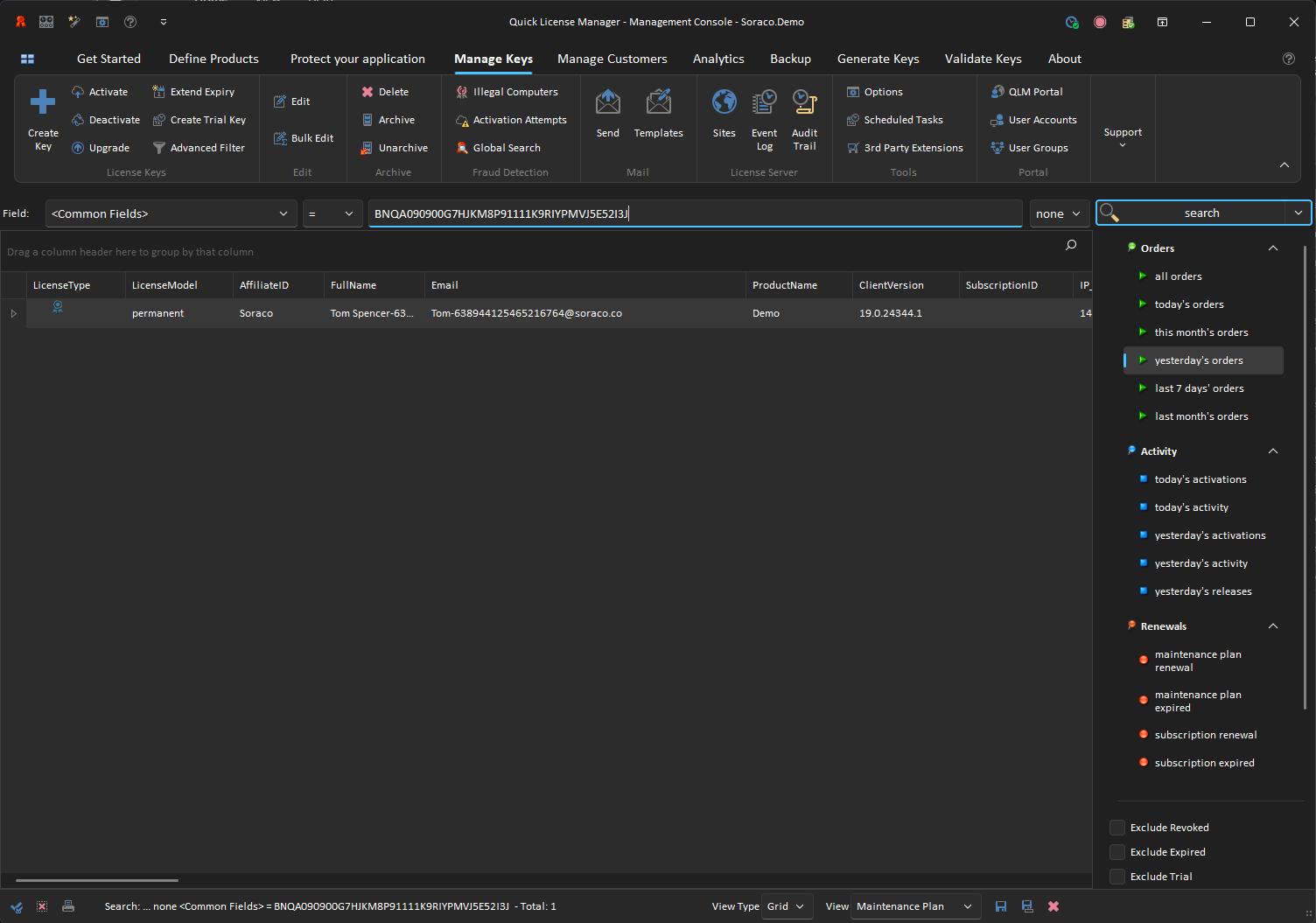
Once you’ve decided on your strategy, implementing it efficiently is the next step. Quick License Manager provides the tools you need to manage licenses effectively and enhance your software’s reach.
Quick License Manager Overview
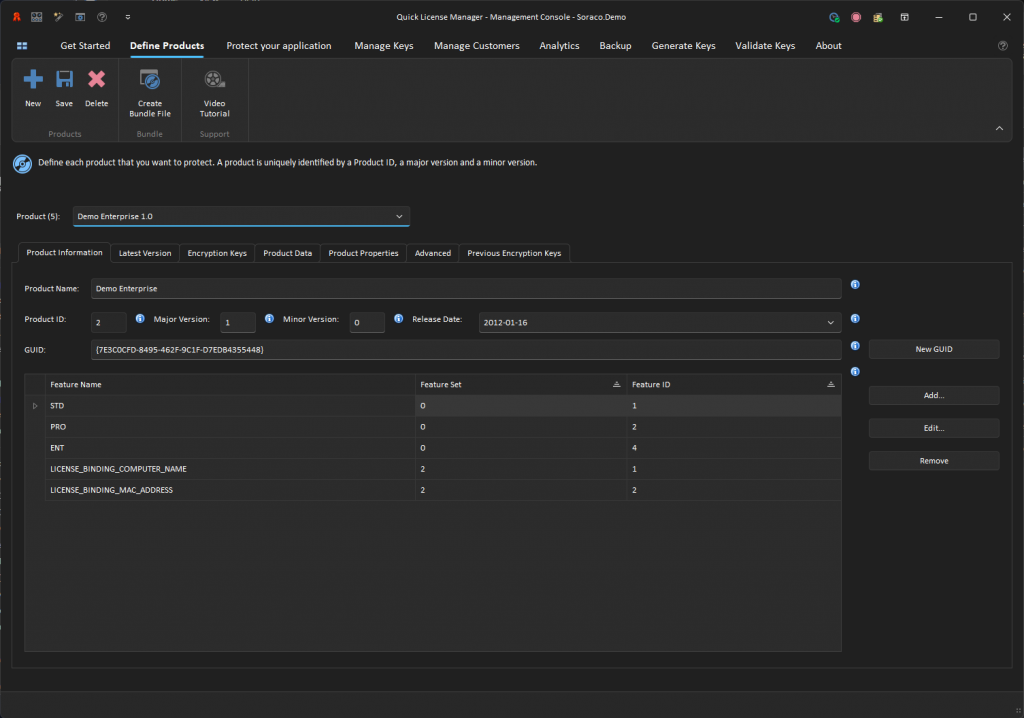
Quick License Manager offers a comprehensive platform for managing various licenses. It supports multiple license models, ensuring you can cater to diverse customer needs. With its intuitive interface, setting up and managing licenses becomes straightforward. This tool not only simplifies license management but also strengthens your software’s protection.
E-Commerce License Integration
Integrating licensing with e-commerce platforms can streamline your sales process. Quick License Manager offers seamless integration, automating license distribution upon purchase. This reduces manual intervention and enhances customer satisfaction. By linking your licensing system with e-commerce, you can ensure a smooth transaction process, increasing efficiency and customer trust.
Role-Based Access Control and Compliance
Ensuring compliance and secure access is crucial in today’s digital landscape. Quick License Manager provides role-based access control, allowing you to manage who accesses what features securely. This control enhances security and ensures that your licensing remains compliant with industry standards. With robust compliance features, you can focus on growing your business with confidence.