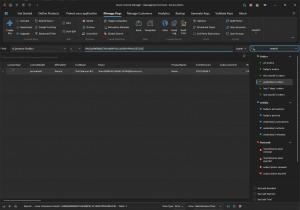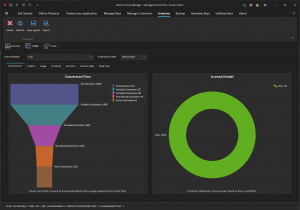

Real-time license analytics aren’t just nice to have—they’re essential for keeping your software thriving. If you’re still guessing how your licenses get used, you’re missing out on clear signals to boost adoption and cut churn. QLM’s software license analytics turn raw usage data into smart actions that sharpen license utilization and trigger automated retention steps. Keep reading to see how these insights can reshape your subscription retention strategy. Learn more about leveraging real-time analytics for customer personalization and retention strategies.
Real-Time License Analytics Essentials

Real-time analytics are key to staying ahead in software management. Let’s explore how understanding license analytics can transform your strategy.
Understanding Software License Analytics
Software license analytics provide a clear picture of how your licenses are being used. By analyzing this data, you can identify patterns and trends that inform better decision-making. Imagine knowing exactly when and how often your software is utilized. This information helps you tailor your offerings to meet user needs effectively.
Let’s consider a simple scenario. A developer sees that a specific feature is rarely used. With this insight, they can decide whether to improve it or remove it altogether. This is the power of analytics: making informed choices that save time and resources.
Benefits of Real-Time Analytics
Real-time analytics offer more than just data—they provide actionable insights. By accessing real-time data, you can make immediate adjustments to your software strategies. For instance, if you see a drop in usage, you can quickly implement retention strategies before it’s too late.
Consider the case of a popular app that noticed a sudden decline in daily users. Thanks to real-time data, they could promptly reach out to inactive users with targeted offers, bringing them back on board. This ability to act swiftly is invaluable in reducing churn.
Role of Usage Telemetry
Usage telemetry tracks how users interact with your software. This data is vital for understanding user behavior and preferences. The more you know about how users operate within your software, the better you can customize their experience.
Suppose a feature is heavily used during specific times of the day. Knowing this, you can schedule updates and maintenance during off-peak times, minimizing disruption. Usage telemetry turns guesswork into strategic planning.
Optimizing License Utilization
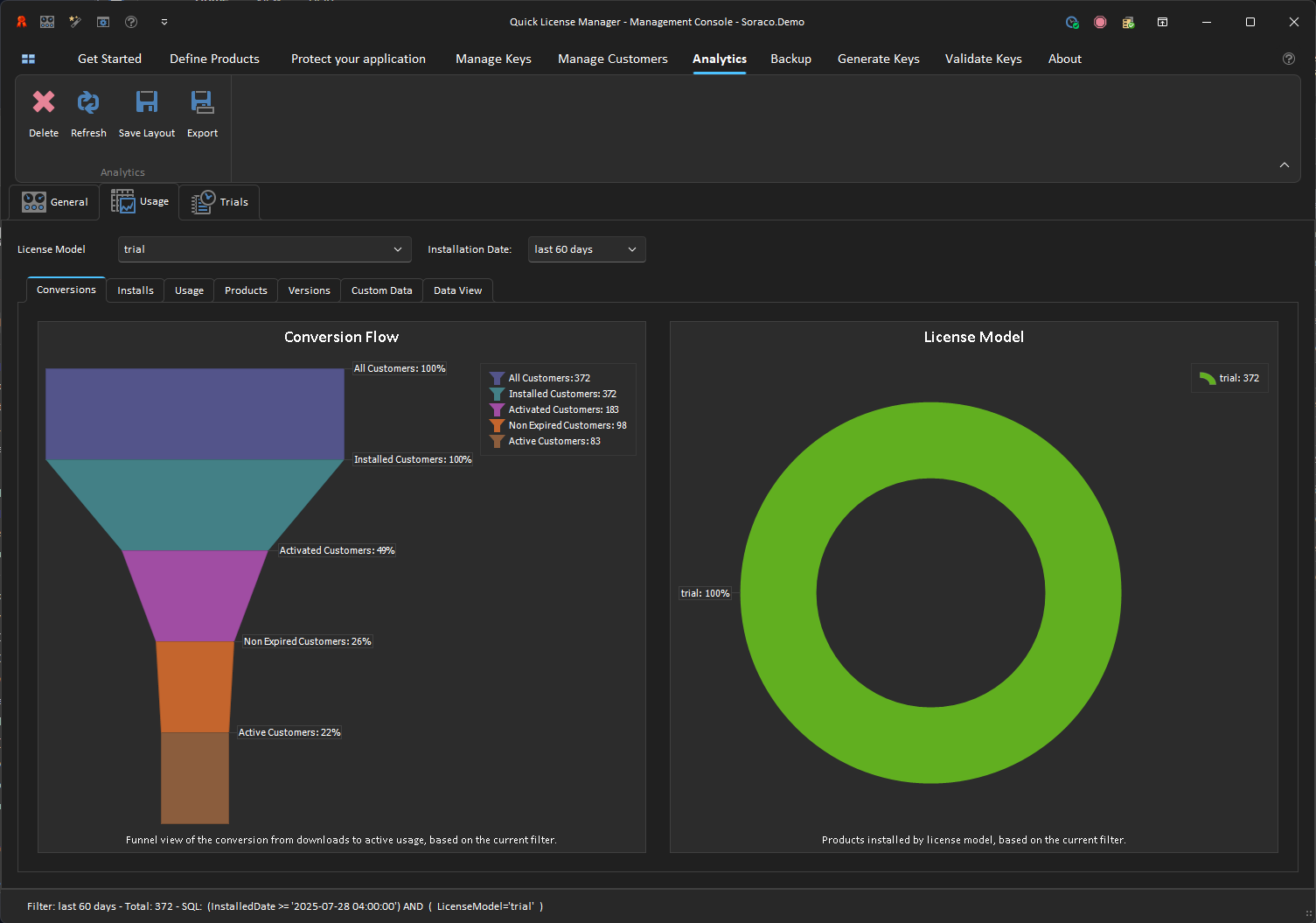
Optimizing license utilization is crucial for maximizing your software’s potential. Let’s look at the role of licensing models in achieving this.
Floating and Node Locked Licensing
Floating licenses allow multiple users to share a license, optimizing usage across a team. This model reduces costs by requiring fewer licenses overall. Node-locked licenses, on the other hand, are tied to specific devices. This is ideal for users who need consistent access from a single location.
Think about a design firm with multiple employees. By using floating licenses, they ensure that all team members can access the necessary tools without requiring a license for each person. This flexibility is invaluable for dynamic work environments.
Reducing Software Churn
Reducing churn is about keeping your users engaged and satisfied. Real-time analytics play a crucial role in this process. By identifying at-risk users, you can implement targeted strategies to retain them. Explore how predictive analytics can further reduce churn.
Consider a SaaS provider that uses analytics to track user engagement. When they notice declining activity, they can send personalized offers or tutorials to re-engage those users. This proactive approach helps maintain a loyal customer base.
Enhancing Subscription Retention
Subscription retention is about ensuring your users continue their service with you. By understanding usage patterns, you can offer tailored solutions that resonate with their needs. Think of it as building a relationship based on mutual understanding.
For example, if you know a user frequently accesses a particular feature, you can offer advanced versions of that feature as part of their renewal. This not only enhances their experience but also increases the chances of them staying with you long-term.
QLM Analytics in Action
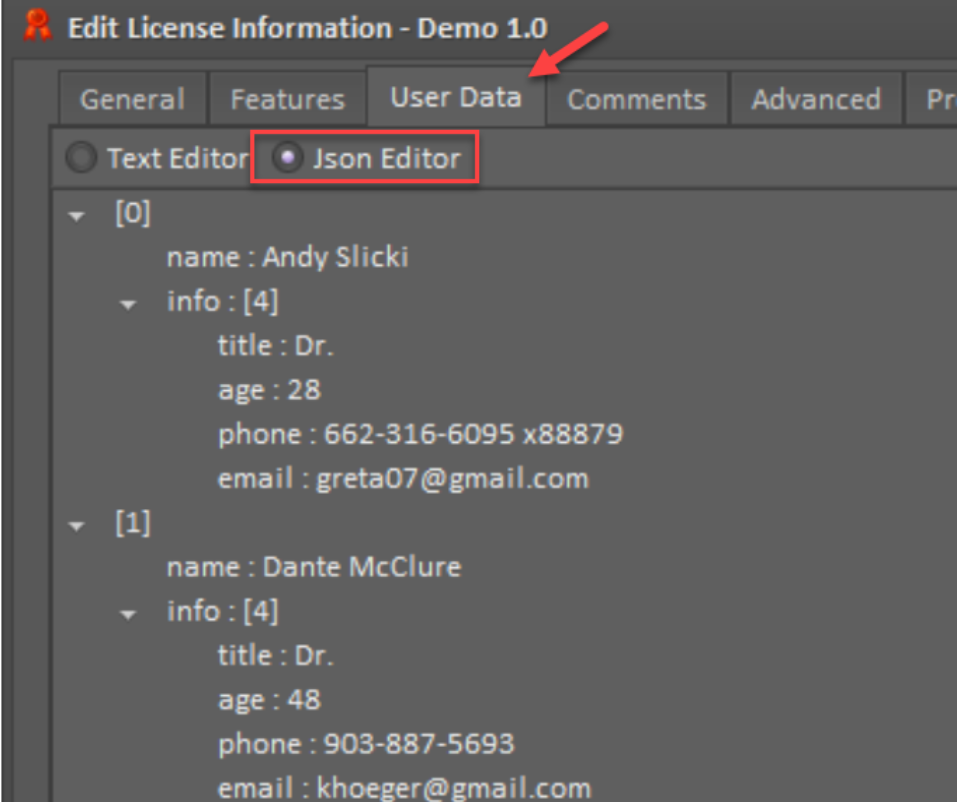
QLM provides the tools needed to turn insights into action. Let’s explore the features that make this possible.
Automated License Management Features
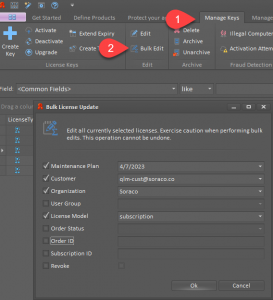
Automated license management streamlines the process of distributing and renewing licenses. This feature reduces manual work and ensures users have uninterrupted access to your software.
Picture a company with a large customer base. Manually managing each license would be a logistical nightmare. By automating the process, they ensure every customer receives timely updates and renewals without lifting a finger.
Ecommerce Integration Licensing
Integrating licensing with your e-commerce platform simplifies the purchase and activation process. This seamless experience encourages more users to commit to your software. Learn how real-time analytics can further enhance this integration.
Consider an online retailer offering subscription-based products. By integrating their e-commerce system with license management, they create a frictionless buying experience. As a result, customers are more likely to complete their purchases and renew subscriptions.
Scheduling a QLM Demo
Explore how QLM’s capabilities can transform your software management by scheduling a demo. Witness firsthand the power of real-time analytics and automated management in action.
In conclusion, understanding and applying real-time license analytics is a game-changer for software publishers. It transforms raw data into actionable strategies that boost adoption, reduce churn, and increase retention. By optimizing license utilization, you not only enhance user satisfaction but also secure long-term success for your software.