Most software publishers struggle to turn raw license data into clear actions. You might be tracking usage but still miss patterns that boost trial-to-paid conversions or spot churn risks early. Quick License Manager’s software license analytics gives you sharp insights on license usage tracking and renewal forecasting, so you can plan smarter and keep customers longer. Keep reading to see how QLM turns data into decisions that drive growth. For more insights on license management, visit this guide on optimizing software licensing costs through data-driven insights.
Transforming Data into Insights
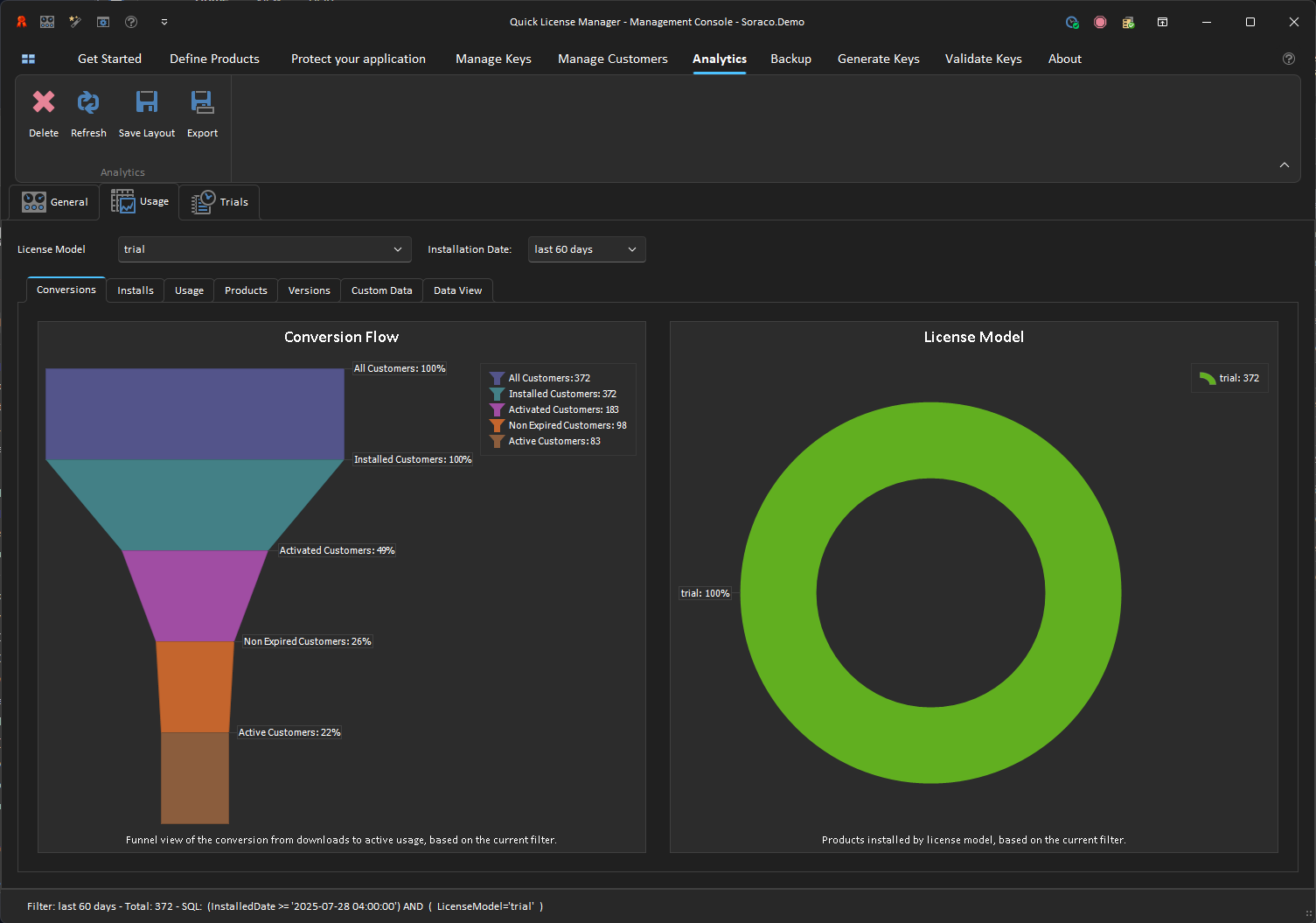
Data by itself doesn’t reveal its full potential. With the right tools, it becomes a powerful asset. Quick License Manager (QLM) helps you turn raw data into actionable insights, enhancing both usage tracking and subscription management. Let’s explore how this works.
Understanding License Usage Tracking
License usage tracking is more than numbers; it’s about understanding how your products are utilized. By knowing when and how often your licenses are activated, you can identify which features or products your users engage with the most. This insight helps prioritize development efforts and marketing strategies.
Consider a scenario: A publisher notices a spike in usage for a particular feature. This data can guide them to focus on enhancing that feature, potentially improving customer satisfaction and retention. Such insights not only refine your product but also align with customer needs, ensuring they get the most value.
Moreover, regular tracking helps in spotting trends. If a particular license sees declining use, it might signal a need for updates or additional support. Addressing these issues promptly can prevent customer churn. By using QLM for your license usage tracking, you gain a clearer picture of how your software is performing in real-world conditions.
Leveraging License Activation Metrics
License activation metrics offer a window into how effectively your product reaches users. By analyzing activation data, you can optimize onboarding processes, ensuring a smooth transition from trial to full usage.
For instance, if activation rates drop after a specific update, it could indicate an issue with that version. Quickly identifying and resolving such problems can maintain user trust and satisfaction. Activation metrics don’t just highlight potential problems; they also reveal successful strategies worth replicating across other products.
In addition to problem-solving, these metrics allow you to forecast demand. If you notice a pattern of increased activations at certain times of the year, you can plan promotions or updates accordingly. This foresight ensures you’re always prepared to meet user demands, enhancing the overall experience.
Enhancing Subscription Churn Reduction
Reducing churn is crucial for subscription-based models. By analyzing usage data, QLM provides insights into user engagement, helping you identify at-risk customers before they leave. The key is to understand why users might be disengaging.
Perhaps they’re not using certain features or facing difficulties with the interface. With this information, you can implement targeted interventions, such as personalized tutorials or feature enhancements, to re-engage users. Consistent monitoring and proactive responses can significantly reduce churn rates.
Additionally, segmenting users based on their engagement levels allows for personalized communication strategies. Engaged users might benefit from loyalty rewards, while at-risk users receive timely reminders or support offers. This tailored approach not only retains existing customers but also builds long-term loyalty.
Streamlining License Renewals
A seamless renewal process is essential for maintaining steady revenue. By leveraging QLM’s insights, you can predict renewal patterns and automate key processes, ensuring a smooth experience for both you and your customers.
Importance of Renewal Forecasting
Forecasting renewals involves predicting when customers are likely to renew their licenses. By analyzing past renewal data, you can identify patterns and prepare accordingly. Accurate forecasting helps avoid unexpected revenue drops and allows for better financial planning.
For example, if historical data shows that renewals peak in the last quarter, you can allocate resources to support increased demand during that period. This preparation prevents last-minute scrambles and ensures a positive customer experience.
Moreover, forecasting helps tailor communication strategies. Knowing when renewals are due allows for timely reminders and personalized offers, increasing the likelihood of customer retention. To learn more about preventing surprise software renewal costs, explore this resource on accurate inventory management.
Automating Renewal Processes
Manual renewals can be time-consuming and error-prone. Automating these processes with QLM not only saves time but also reduces the risk of missed renewals. Automation ensures that customers receive timely notifications and can renew licenses with minimal friction.
For instance, automated emails can remind customers of upcoming renewals, provide easy payment options, and confirm successful renewals. This streamlined approach enhances customer satisfaction by ensuring a hassle-free experience.
Moreover, automation frees up your team to focus on more strategic tasks, rather than getting bogged down in repetitive manual processes. This efficiency translates to cost savings and a more effective use of resources. To dive deeper into renewal strategies, check out this article on optimizing renewals.
Utilizing Trial Conversion Analytics
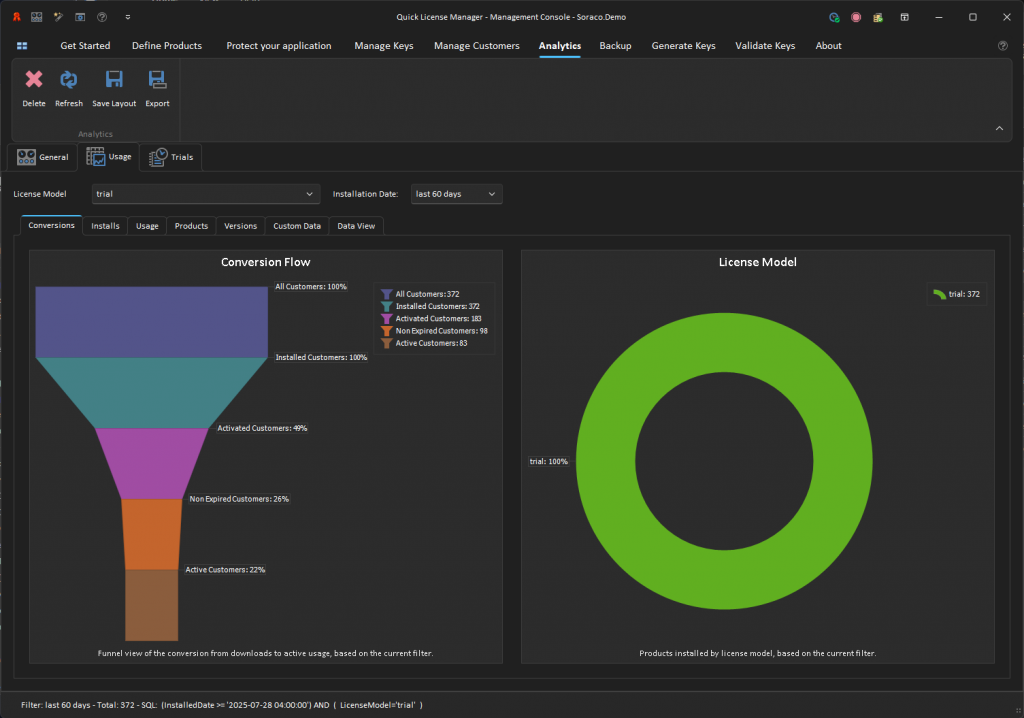
Understanding how trials convert into paid subscriptions is vital for growth. Trial conversion analytics provide insights into which aspects of your trial are most effective and where improvements are needed.
By analyzing conversion rates, you can identify which features drive users to upgrade. Perhaps a particular tool or feature is the tipping point for many users. Highlighting and improving such features can boost conversion rates further.
These analytics also help refine your trial marketing strategies. If certain messaging or campaigns result in higher conversions, they can be replicated across other products. By continuously optimizing your trial-to-paid conversion process, you ensure sustained growth and a steady influx of new customers.
Optimizing Software Licensing Strategies
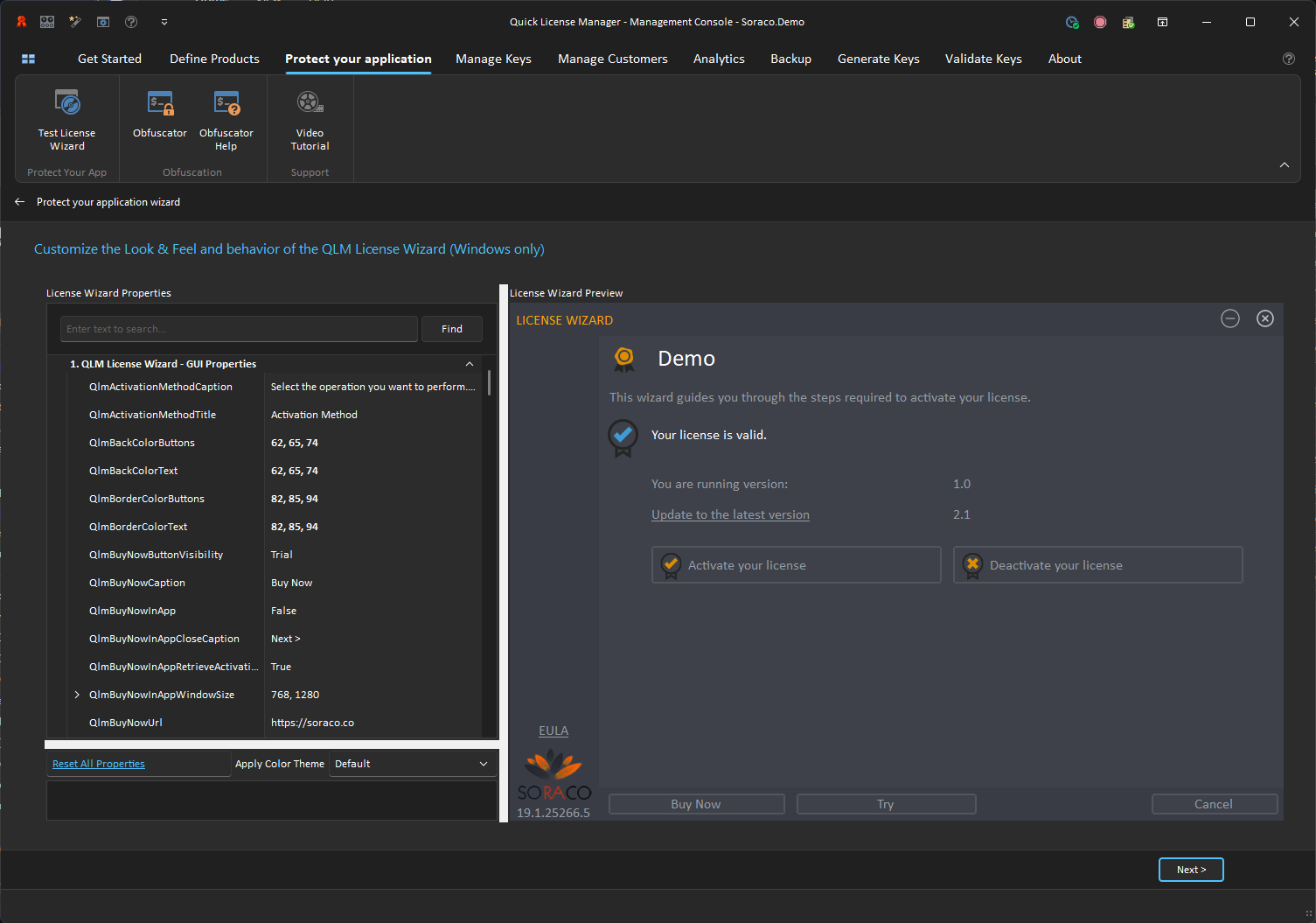
Effective management of licenses is crucial for maximizing revenue and minimizing waste. QLM offers several strategies to optimize this process, from managing license types to integrating with e-commerce platforms.
Floating and Node-locked License Management
Different businesses require different licensing models. Floating licenses allow multiple users to share a limited number of licenses, ideal for businesses with varying usage patterns. Node-locked licenses, on the other hand, are tied to specific devices, providing more control.
Managing these licenses effectively can significantly impact your bottom line. With QLM, you can easily switch between models, ensuring that your licensing strategy aligns with your business goals. This flexibility is crucial for adapting to changing market demands.
Additionally, monitoring usage patterns helps in deciding the most cost-effective licensing model for your business. For instance, a business experiencing fluctuating demand might benefit more from floating licenses. Understanding these nuances ensures you’re always providing the best option for your customers.
Benefits of SaaS License Management
SaaS models offer numerous benefits for both providers and customers. For providers, recurring revenue ensures steady cash flow. For customers, the flexibility of paying for only what they use is highly attractive.
Managing SaaS licenses requires a robust system that can handle subscriptions, renewals, and user management efficiently. QLM provides all these functionalities, ensuring you can focus on delivering value to your customers without getting bogged down by administrative tasks.
Moreover, SaaS models allow for regular updates and improvements, keeping your product competitive and your customers satisfied. With QLM’s support for SaaS licensing, you can easily implement these models and enjoy their numerous benefits.
E-commerce License Integration Best Practices
Integrating licensing with e-commerce platforms streamlines the sales process, reducing friction for customers and ensuring a seamless experience. QLM’s integration capabilities allow for automated license distribution, ensuring customers receive their licenses promptly upon purchase.
For instance, automating the license delivery process reduces the risk of errors and ensures all customers receive their licenses without delay. This efficiency enhances customer satisfaction and encourages repeat business.
Furthermore, integrating with e-commerce platforms allows for better data collection and analysis. Understanding purchasing patterns and customer preferences can guide future marketing and sales strategies. To explore more on this topic, visit this practical guide on software license optimization.
In summary, by leveraging QLM’s capabilities, you can transform raw data into valuable insights, streamline renewals, and optimize licensing strategies. This comprehensive approach ensures you’re always providing the best value to your customers, driving growth and success.