Securing software across desktop, web, and mobile platforms is no longer optional—it’s essential to protect your intellectual property and revenue. Many teams struggle to manage diverse license models and activation methods without adding complexity or risking security gaps. In this guide, you’ll learn practical strategies for cross-platform licensing and see how Quick License Manager (QLM) simplifies license automation, activation, and analytics from start to finish. Schedule a personalized QLM demo to explore tailored solutions for your software protection needs. For more insights, you can refer to this comprehensive resource.
Cross-Platform Licensing Strategies
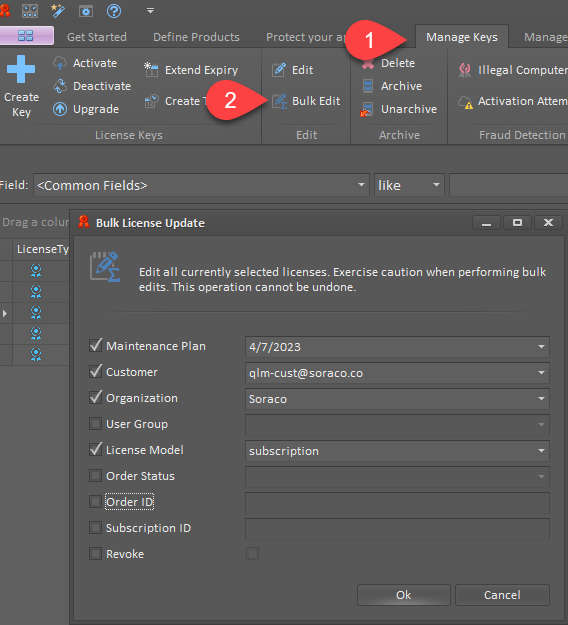
Securing software effectively requires understanding the unique challenges each platform presents. Let’s explore strategies to protect desktop, web, and mobile applications.
Securing Desktop Software
Desktop applications often face threats such as piracy and unauthorized distribution. To counter these, implement node-locked licenses which tie software to a specific device. This method ensures your software runs only on authorized hardware. For businesses needing more flexibility, floating licenses allow multiple users to share a limited number of licenses across different machines. This approach optimizes license usage and cost.
Moreover, consider using encrypted license keys that are difficult to replicate or alter. This adds an extra layer of protection, safeguarding your software against unauthorized use. To streamline these processes, license management tools like QLM can automate key generation and distribution, reducing manual workload and errors.
Protecting Web Applications
Web applications face unique challenges, primarily due to their online nature. It’s crucial to ensure data is transmitted securely. Encrypt all data transactions using protocols like SSL/TLS to protect sensitive information from interception. Additionally, implement strict authentication mechanisms to verify user identities before granting access to your applications.
To further enhance security, regularly audit and update your application’s code to patch vulnerabilities. In this ever-changing landscape, staying one step ahead is vital. For a detailed checklist on web application security, refer to this comprehensive guide.
Safeguarding Mobile Apps
Mobile apps are frequently targeted due to the personal data they handle. Protecting these apps requires a comprehensive approach. Begin by securing the code itself; tools that obfuscate and encrypt code can deter reverse engineering. Implement multi-factor authentication to ensure only legitimate users access your app.
Moreover, ensure all app data is encrypted, both in transit and at rest. Regularly update your app to fix any security vulnerabilities that arise. For more in-depth strategies, explore this resource on mobile app security.
Licensing Models and Their Applications

Choosing the right licensing model is crucial for maximizing revenue while minimizing unauthorized use. Let’s dive into different license types and their best use cases.
Node-Locked and Floating Licenses
Node-locked licenses are ideal for software that requires strict control over where it is used. These licenses bind the software to a specific device, making them suitable for industries with stringent security needs. Floating licenses, on the other hand, are perfect for organizations with shared resources. They allow multiple users to access the software from different locations, but only a set number can use it simultaneously. This is particularly useful in corporate environments where cost efficiency is paramount.
Subscription and Perpetual Licensing
Subscription licensing provides recurring revenue and keeps users engaged with regular updates. This model suits businesses wanting steady cash flow and continuous product improvement. Perpetual licenses, however, offer a one-time payment model, appealing to users who prefer long-term access without ongoing costs. This model is beneficial for software with significant upfront value.
Trial Licensing Best Practices
Offering a trial period can boost conversions by giving potential customers a taste of your software’s value. To make the most of trial licensing, set clear time limits and feature restrictions to encourage users to upgrade. Collect user feedback during the trial to understand pain points and areas for improvement. This data can guide product enhancements and marketing strategies.
Streamlining License Management with QLM
Efficient license management can transform your operations, making them smoother and more secure. See how Quick License Manager (QLM) can be a game-changer.
License Activation and Automation
With QLM, automate the license activation process to reduce manual intervention and errors. This system can handle both online and offline activations, ensuring users can access your software even without internet connectivity. Automating these processes not only saves time but also enhances user satisfaction by providing a seamless experience.
E-commerce Integration for Seamless Delivery
QLM integrates effortlessly with leading e-commerce platforms, automating license distribution as soon as a purchase is made. This integration ensures your customers receive their licenses instantly, improving customer satisfaction and reducing support queries. By streamlining the sales process, you can focus more on product development and less on administrative tasks.
Ensuring Compliance and Security
Compliance with regulations like GDPR and FIPS is non-negotiable in today’s digital landscape. QLM ensures your software licensing practices meet these standards, protecting your business from legal issues and enhancing customer trust. By incorporating role-based access control, QLM further secures your software by ensuring only authorized users have access to sensitive features.
In conclusion, securing software across different platforms involves choosing the right strategies and tools. Quick License Manager provides a comprehensive solution to protect your software, manage licenses, and ensure compliance. By adopting these practices, you can safeguard your intellectual property and build a resilient software business.