
Building a software licensing framework that supports perpetual, trial, and subscription models can quickly become a tangled mess. You might be juggling license key management, activation methods, and renewal automation without a clear path forward. This post walks you through designing a flexible system that scales with your product — and shows how Quick License Manager (QLM) simplifies license protection, automates renewals, and integrates smoothly with your e-commerce platform. See QLM in action and start your free trial to get your licensing right the first time. Learn more about flexible licensing models here.
Designing a Flexible Licensing Framework
Creating a licensing framework that adapts to various models can elevate your software strategy. Let’s explore how you can effectively manage perpetual, trial, and subscription licenses.
Understanding Perpetual Licensing
Perpetual licenses give users indefinite access to your software once purchased. They are a traditional choice for many businesses. This model relies on one-time sales but can be coupled with annual maintenance agreements. Example: A graphics software company might sell a perpetual license with optional updates. Users appreciate owning the software, but you have to balance long-term support commitments. Dive deeper into perpetual licensing here.
Managing Trial Licenses Effectively
Trial licenses are a great way to introduce potential customers to your product. They usually last a set period, like 30 days, giving users a chance to explore features. Tip: Clearly communicate what your trial includes. For instance, a productivity app might offer full access during the trial. This encourages users to see the value and transition to a paid license. Trials are powerful, but you must ensure they’re easy to activate and track. Explore strategies for implementing trial licenses.
Subscription Licensing Strategies
Subscription licenses provide recurring revenue and can offer updates and support as part of the package. They require seamless renewals to maintain customer satisfaction. Insight: Streaming services thrive on subscriptions, bundling content with convenience. By including regular updates or exclusive features, you can increase the perceived value. The challenge lies in managing renewals and preventing churn. Read more about fair licensing practices.
Implementing License Automation with QLM

Once you establish your licensing models, automating processes with Quick License Manager (QLM) can save time and reduce errors. Let’s look at some key areas where automation can help.
Automate Subscription Renewals
Automation ensures that your customers experience no interruption in service. With QLM, subscription renewals happen without manual intervention, reducing the chance of human error. This allows your team to focus on growth rather than administrative tasks. Customers get timely reminders, and the renewal process becomes a seamless part of their routine.
License Key Management and Security
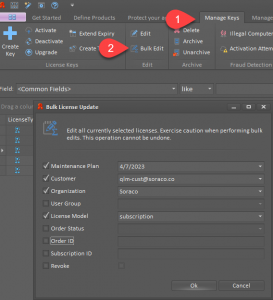
License key management is crucial for maintaining security and ensuring only authorized users can access your software. QLM provides robust tools to manage keys effectively. Key Benefit: Strong encryption protects your keys from unauthorized use. Whether issuing new keys or revoking old ones, QLM makes the process straightforward and secure. Your users gain trust knowing their software and data are protected.
E-commerce License Integration
Integrating your licensing system with e-commerce platforms can streamline sales and distribution. QLM supports this integration, allowing automatic license issuance upon purchase. Example: A digital marketing tool can automatically send a license key when a user subscribes online, reducing the wait time and improving customer satisfaction. This integration helps you scale operations without increasing manual workload.
Enhancing Product Protection and User Experience
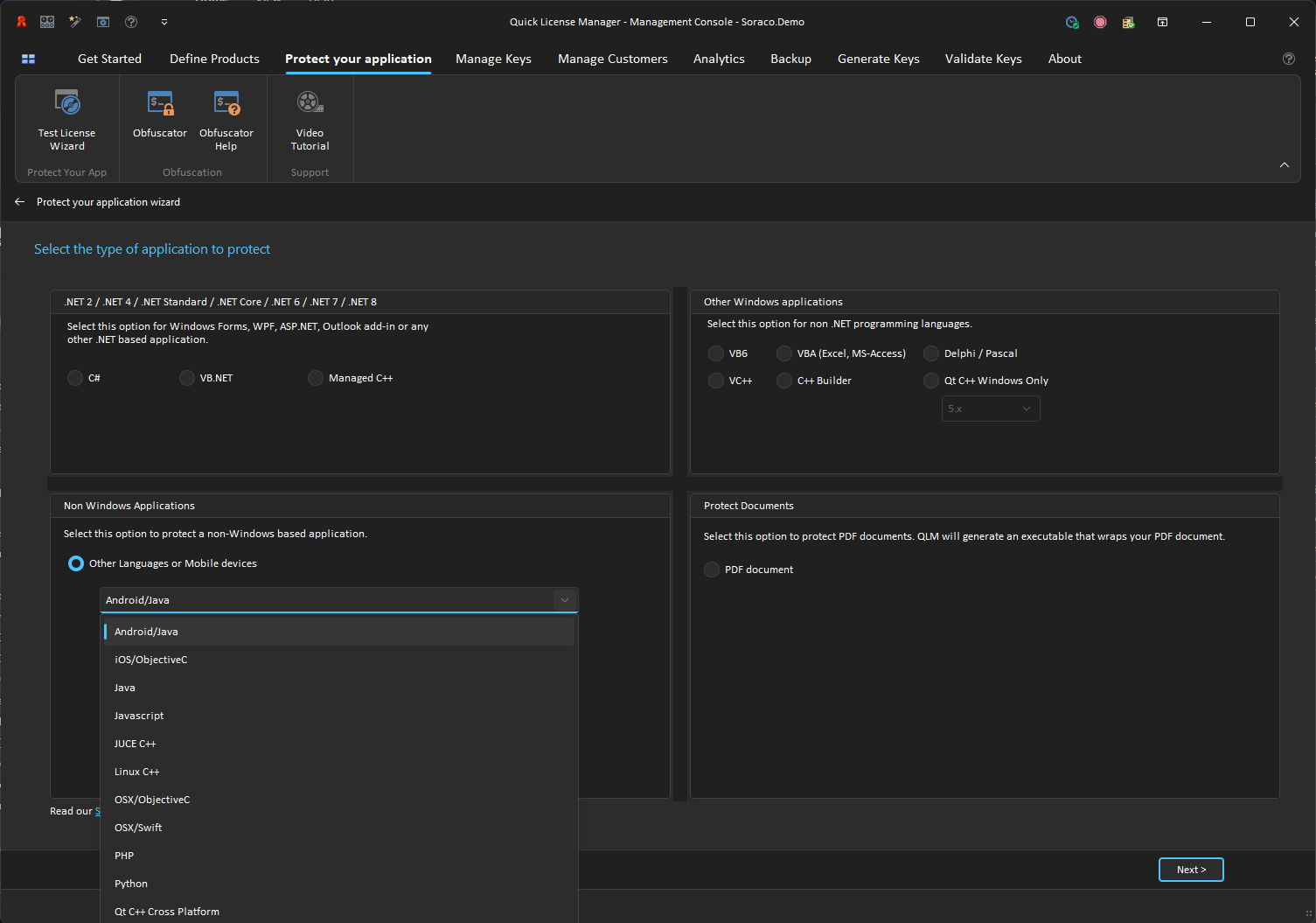
Beyond basic licensing, enhancing product protection and user experience is vital. Here’s how QLM supports these goals.
Role-Based Access Control
Role-based access control (RBAC) is essential for ensuring that only the right people have access to certain features or data. With QLM, you can easily manage access according to roles, enhancing security. Insight: By restricting access based on roles, you minimize the risk of data breaches and ensure compliance with privacy regulations. Your users will appreciate the added security and personalization.
License Analytics and Usage Tracking
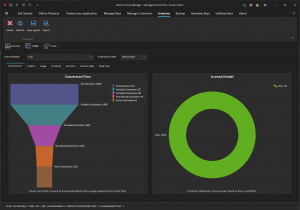
Understanding how your software is used can inform product development and marketing strategies. QLM provides detailed analytics and usage tracking. Data Point: Track active users, feature usage, and conversion rates to identify trends and optimize your offerings. This data-driven approach helps you make informed decisions, enhancing both product development and customer satisfaction.
Self-Service License Portal Features
A self-service portal empowers your customers to manage their licenses independently. QLM’s portal allows users to view their license status, renew subscriptions, and update information without needing direct support. Value: This not only reduces support requests but also enhances user satisfaction by putting control in their hands. The more intuitive and user-friendly the portal, the more your customers will engage with it.
Conclusion
Building a flexible licensing framework requires a strategic approach that balances customer needs with business goals. By leveraging tools like QLM, you can streamline processes, enhance security, and improve user experiences. Whether you’re managing perpetual licenses, trial periods, or subscriptions, QLM offers a comprehensive solution that adapts to your evolving needs. As you embark on this journey, remember that the key to success lies in understanding your audience, anticipating their needs, and continuously refining your approach.