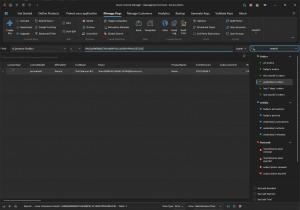
Forget outdated licensing tactics that leave your software vulnerable. In 2026, software license protection demands a multi-layered approach covering security, compliance, and flexible models like node-locked, floating, and subscription licensing. This guide breaks down what you need to secure your enterprise software licensing and shows how Quick License Manager streamlines license management with automation, integration, and analytics. Get ready to strengthen your licensing strategy and simplify your workflows.
Software Licensing Strategies for 2026
The world of software licensing is rapidly changing, and 2026 is set to bring even more advancements. Understanding key trends is crucial for staying ahead.
Key Software Licensing Trends
Licensing trends are evolving faster than ever. In 2026, adaptive strategies are key. One major trend is the rise of cloud-based solutions. These solutions offer flexibility and scalability, making them a preferred choice. Additionally, many businesses are shifting towards subscription models, ensuring consistent revenue streams. Explore these trends further.
Implementing Node-locked and Floating Licenses
Node-locked and floating licenses provide distinct benefits. Node-locked licenses bind software to specific devices. This method offers enhanced security but limits flexibility. On the other hand, floating licenses allow software to be used by multiple users, but not simultaneously, enhancing accessibility. By integrating these models, you can cater to different organizational needs while maintaining control over usage.
Subscription, Trial, and Perpetual Models
Subscription models are gaining traction due to their predictability. They offer continuous updates and support, ensuring software remains current. Trials provide potential users with a taste of the product before committing, increasing conversion rates. Perpetual models, while traditional, offer a one-time purchase without recurring costs. By offering multiple options, you can attract a wider audience and meet diverse needs.
License Protection and Security
Protecting your licenses is paramount. Let’s delve into some essential components that fortify your software’s security.
Role-based Access Control (RBAC) Essentials
RBAC is a must for license protection. It allows you to assign roles and permissions based on user needs. This ensures that only authorized personnel can access sensitive areas. By implementing RBAC, you bolster your software’s security while simplifying management. It also reduces the risk of unauthorized access, safeguarding your intellectual property.
GDPR and FIPS Compliance Explained
Compliance with regulations like GDPR and FIPS is no longer optional. GDPR ensures user data protection, while FIPS focuses on cryptographic security. By adhering to these standards, you not only protect your users but also avoid hefty fines. Compliance demonstrates your commitment to user privacy and security, fostering trust and credibility.
Audit Trail and Activity Logging
Audit trails are your best friend in license management. They keep track of every action, providing a comprehensive history of changes and access. Activity logging enhances transparency and accountability, making it easier to identify and address potential issues. With robust logging, you can ensure compliance and streamline troubleshooting processes.
License Management and Automation
Efficient license management requires automation. Let’s explore how automation can transform your processes.
Benefits of Automated License Distribution
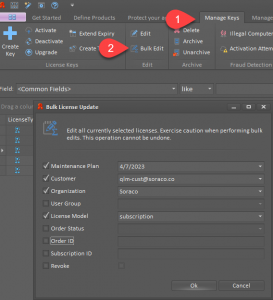
Automation is revolutionizing license management. Automated distribution ensures licenses reach users quickly and accurately. This reduces the risk of errors and improves customer satisfaction. By streamlining the distribution process, you save time and resources, allowing you to focus on core business activities.
REST API and E-commerce Integration
Integrating REST APIs with your e-commerce platforms offers seamless communication between systems. This enables real-time updates and enhances the user experience. E-commerce integration facilitates automated transactions, simplifying the sales process and ensuring licenses are issued without delay. Learn more about secure integration.
Usage Analytics and Renewal Automation
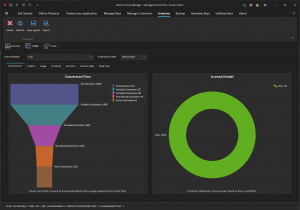
Usage analytics provide invaluable insights into user behavior. By understanding how your software is utilized, you can make informed decisions to improve offerings. Renewal automation ensures subscriptions are timely and hassle-free, reducing churn and increasing revenue. This proactive approach ensures continuous engagement and satisfaction.
In conclusion, adopting a comprehensive approach to software license management in 2026 is essential. By staying updated on trends, ensuring robust security, and leveraging automation, you can enhance your software’s value and appeal.