
Role-based access control (RBAC) is the backbone of securing your software license management system. Without strict controls on who can do what, your licensing data and entitlements become vulnerable to misuse and errors. In this post, you’ll learn how applying least-privilege access reduces risk, keeps compliance on track, and simplifies operations—plus how Quick License Manager (QLM) puts RBAC to work so your team stays secure and efficient. Learn more about enhancing security and efficiency with RBAC here.
Importance of RBAC in License Security

Role-based access control (RBAC) is the cornerstone of securing your software license management system. Let’s explore why RBAC is critical and the tangible benefits it brings.
Why RBAC is Critical
RBAC ensures that only authorized users can access specific parts of your software license management system. Imagine your system as a vault. You wouldn’t give every staff member a key. Instead, you assign keys based on roles. By doing so, you protect sensitive data and reduce errors. 80% of data breaches are due to weak access controls. Without RBAC, your system is vulnerable to unauthorized access, leading to potential data theft or damage. By implementing RBAC, you’re putting a robust security measure in place, protecting both your data and your reputation.
Benefits of Least Privilege
The concept of least privilege is simple: users get only the access they need to perform their job. By limiting permissions, you minimize risk. Think of least privilege as a need-to-know basis. Your accountant doesn’t need access to software development tools. This approach reduces mistakes and potential misuse. It also makes tracking easier. If something goes wrong, you can quickly identify the source. Companies practicing least privilege see a 30% decrease in security incidents. This strategy is a game-changer in keeping your operations smooth and secure.
Enhancing Compliance and Analytics
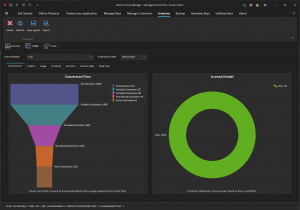
RBAC not only boosts security but also aids in compliance. Regulations like GDPR require strict data controls. With RBAC, you can show auditors exactly who accessed what and when. This transparency is essential for compliance. Plus, RBAC enhances your analytics. You can track user behavior, understanding how your software is used. This data helps in making informed decisions. For more on how RBAC supports compliance, check out this article.
Best Practices for Implementing RBAC

Implementing RBAC effectively requires planning and understanding. Let’s dive into the best practices to set up a robust RBAC system.
Designing Effective Role Structures
Creating a role structure is the first step. Identify key roles within your organization. Each role should have defined responsibilities and access levels. Start by listing out tasks each role performs. Then, map these tasks to the required access. Keep the structure simple. Avoid overcomplicating with too many roles. Simplicity ensures clarity and ease of management. Remember, the goal is to assign access based on necessity, minimizing risks. Need more guidance? Here’s a detailed guide on creating role structures.
Implementing Least-Privilege Access
Once roles are defined, apply the least privilege principle. Assign users the minimum access needed. Regularly review these permissions. As roles evolve, so should access levels. Develop a process for updating roles and permissions. This ensures your system remains secure as your business grows. By continually auditing access, you maintain a strong security posture.
Monitoring with Audit Trails
Audit trails are your system’s eyes. They track every action taken, providing a clear record of who did what. This transparency is crucial for identifying potential breaches. Set up automated alerts for unusual activities. This proactive approach helps catch issues early, reducing potential damage. Regularly review audit logs to ensure everything is functioning as expected.
Operationalizing RBAC with Quick License Manager

Quick License Manager (QLM) takes the guesswork out of implementing RBAC. Let’s explore how QLM can help streamline your operations.
Key Features of QLM
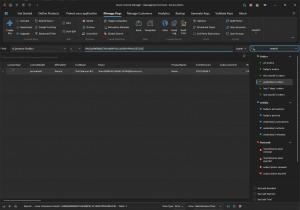
QLM offers a suite of features designed for effective RBAC. These include:
-
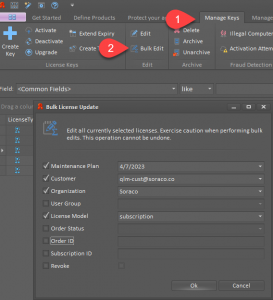
Role-based access: Assign roles with ease, ensuring the right people have the right access.
-
Audit trails: Monitor user activity with detailed logs.
-
Compliance tools: Stay ahead of regulations with built-in compliance features.
These features make managing licenses straightforward and secure. They allow you to focus on your core business, knowing your licensing system is protected.
Streamlining Operations with QLM
QLM isn’t just about security; it’s about efficiency. By automating license distribution and management, QLM saves time. You can integrate QLM with your e-commerce platforms, simplifying the sales process. This integration ensures licenses are issued automatically, reducing manual errors. With QLM, you streamline operations, making your team more productive.
Scheduling a QLM Demo
Curious about how QLM can transform your license management? Schedule a demo today. See firsthand how its features can protect and enhance your business. Don’t wait—take the first step towards a more secure and efficient system. Visit Soraco Technologies to learn more.