Most licensing setups leave software teams juggling complex models and manual processes that slow growth and risk revenue. Quick License Manager (QLM) simplifies this by guiding you through perpetual, trial, subscription, and floating licenses with clear, actionable steps. In this post, you’ll get a practical blueprint to implement flexible software licensing that strengthens security, automates workflows, and scales with your business. Learn more about flexible licensing models.
Implementing Perpetual and Trial Licenses
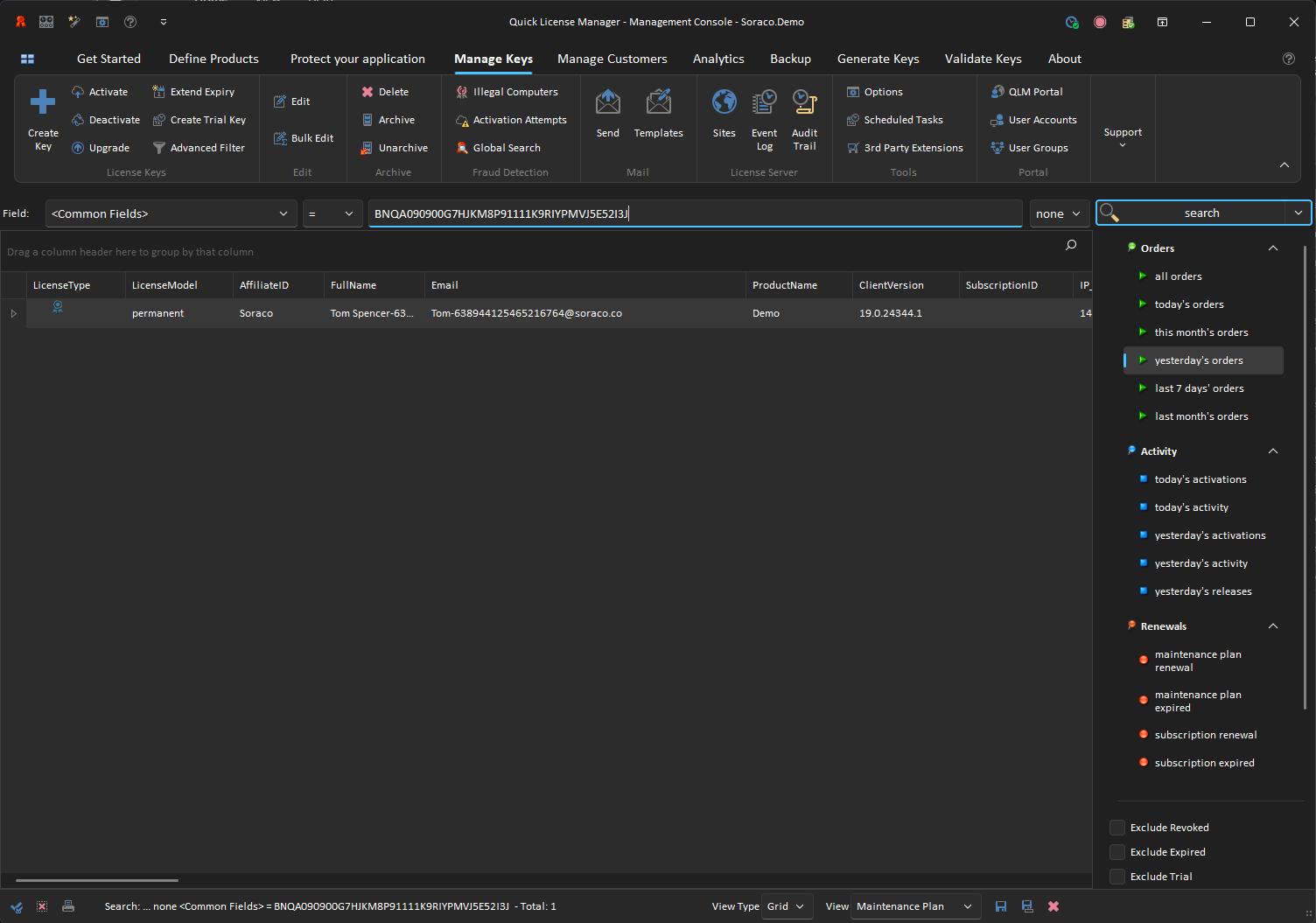
Let’s explore how to effectively deploy perpetual and trial licenses using QLM. These models can be powerful when set up correctly, offering both stability and flexibility.
Setting Up Perpetual Licenses
Perpetual licenses provide a one-time purchase model, granting lifetime access. To implement this, start by defining your product features and restrictions within QLM. This setup eliminates ongoing fees, appealing to customers seeking long-term solutions.
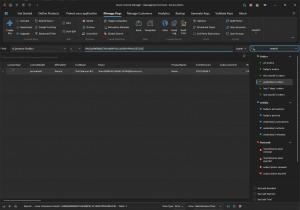
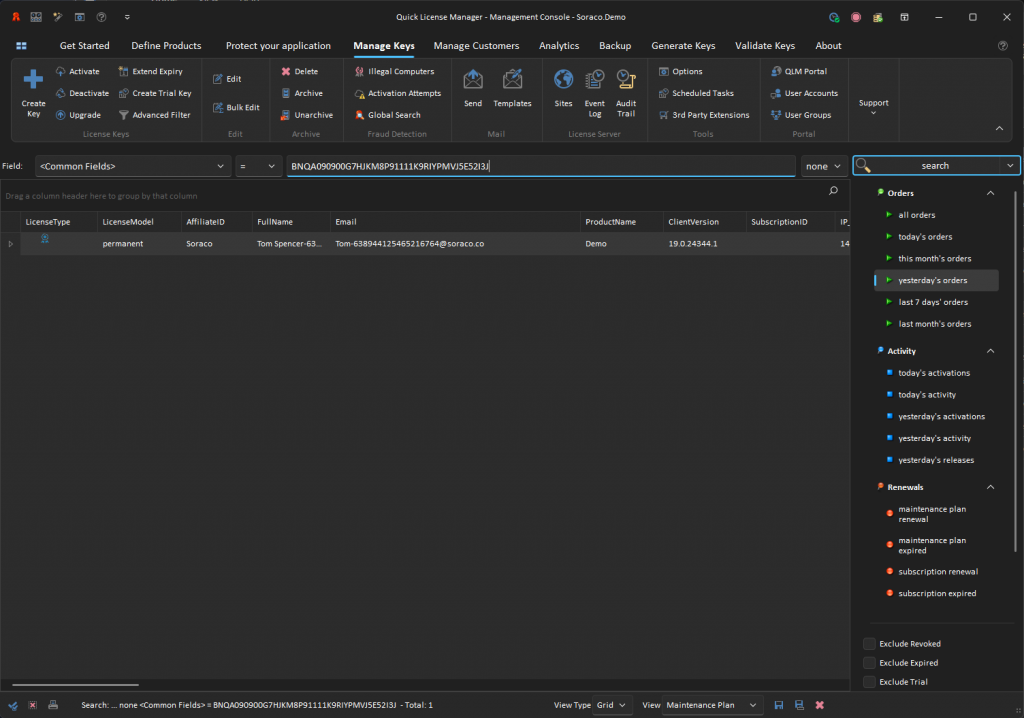
Once your license model is defined, configure the license keys through QLM’s user-friendly interface. You can tie these keys to specific hardware, ensuring secure distribution. This method not only protects your software but also provides customers with peace of mind.
Remember, perpetual licenses can form the backbone of your software monetization strategy, offering a solid base of committed users.
Establishing Trial License Periods
Trial licenses allow users to test your product before committing to a purchase. Setting them up in QLM involves establishing a reasonable trial period that balances user needs with your business goals.
Through QLM, you can automate trial key generation, simplifying the user onboarding process. This not only enhances user satisfaction but also maximizes conversion potential.
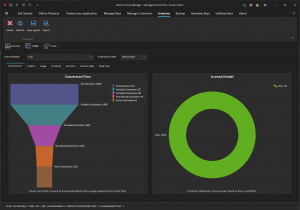
Tracking engagement during the trial period is essential. Use QLM’s analytics to monitor usage patterns, adjusting your approach based on real user data. This insight can lead to more effective marketing and sales strategies, boosting overall success.
Subscription and Floating License Strategies
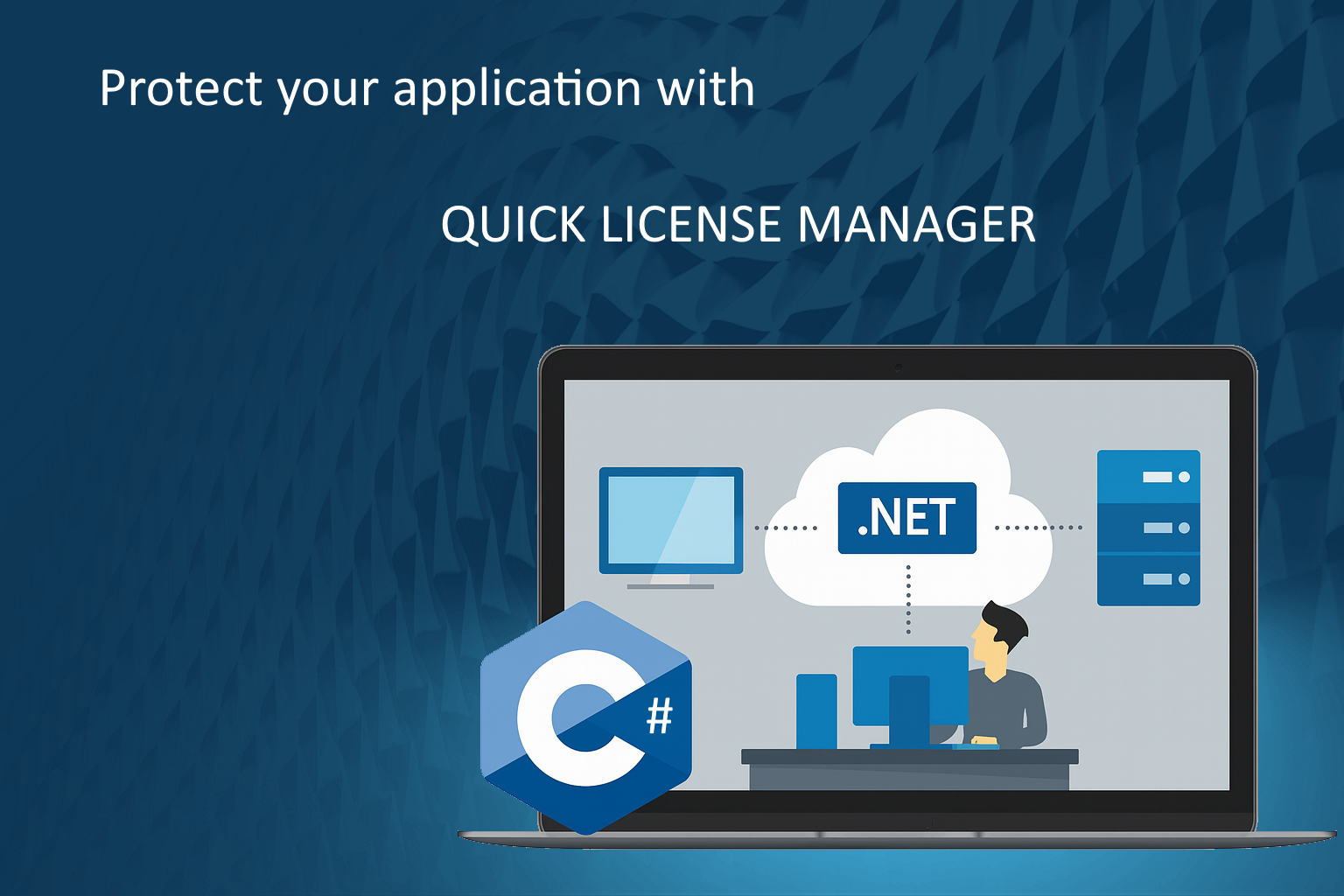
After understanding perpetual and trial models, it’s time to delve into subscription and floating licenses. These models cater to a dynamic market, adapting to various user needs.
Subscription License Management
Subscription licenses offer recurring revenue and consistent updates. Implement these by setting up automated renewals within QLM. This process ensures seamless service continuity for users. For more on transitioning to subscription models, check out this guide.
Defining subscription tiers is crucial. Offer various levels that cater to different user needs, enhancing customer satisfaction. Each tier should provide unique value, encouraging upgrades and long-term loyalty.
Subscription models also allow integration with e-commerce platforms, streamlining the sales process. Automate license distribution with QLM’s robust features, ensuring users receive updates without hassle.
Configuring Cloud and On-Premise Floating Licenses
Floating licenses allow software use across multiple devices. QLM supports both cloud and on-premise configurations, offering flexibility based on user preferences and infrastructure.
For cloud floating licenses, leverage QLM’s integration capabilities. This setup enables remote access, perfect for global teams and distributed workforces. It ensures that resources are allocated efficiently, minimizing downtime.
On-premise floating licenses, on the other hand, are ideal for organizations with specific security requirements. They provide control over license allocation while maintaining robust security. QLM simplifies the setup and management of these licenses, offering a seamless user experience.
Enhancing License Security and Automation
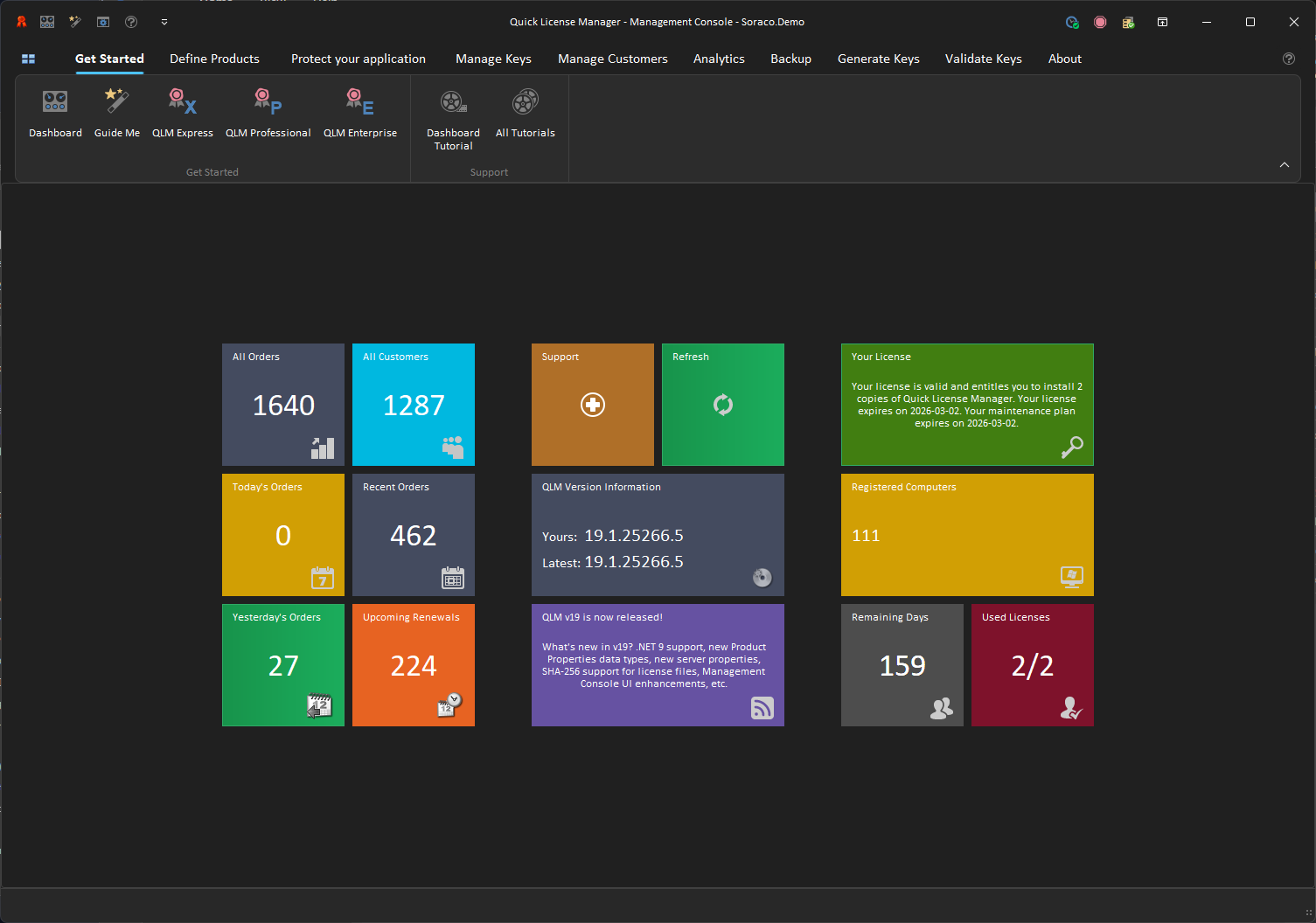
With licensing strategies in place, focus on enhancing security and automation. These elements are critical for protecting intellectual property and streamlining processes.
Integrating E-commerce for License Automation
E-commerce integration automates license distribution, reducing manual workload and potential errors. QLM’s compatibility with leading e-commerce platforms ensures a smooth user journey from purchase to activation. Check out our Facebook post for more insights.
Automated systems handle renewals and updates, allowing your team to focus on growth and innovation. This efficiency not only saves time but also enhances customer satisfaction and retention.
Ensuring GDPR and FIPS Compliance
Compliance with regulations like GDPR and FIPS is non-negotiable. QLM’s architecture includes features that ensure your licensing processes meet these standards.
GDPR compliance involves safeguarding user data and providing transparency. FIPS compliance ensures robust encryption, enhancing security for sensitive information. Implementing these measures protects your brand and builds trust with users.
Incorporate automated compliance checks within your workflow. This proactive approach minimizes risk and ensures adherence to industry standards without constant oversight. Your peace of mind and customer trust depend on maintaining these safeguards.
By following these steps, you’ll not only streamline your licensing processes but also enhance security and user satisfaction. Quick License Manager offers the tools and support needed to successfully implement and manage these licensing models.