
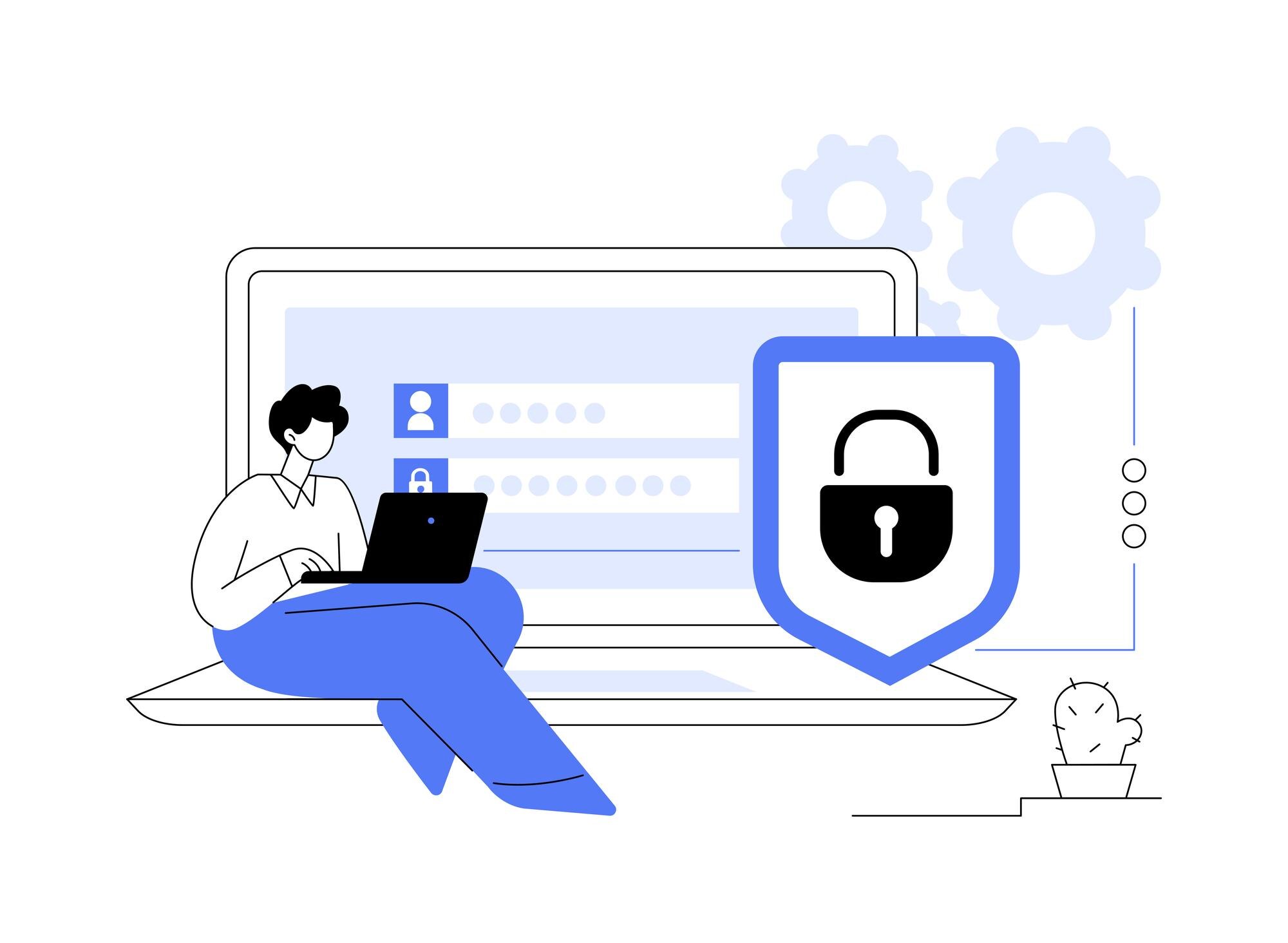
Role-based access control isn’t just a feature—it’s the backbone of secure software licensing. Without clear user roles and permissions, your license management system leaves gaps that put your software protection at risk. In this post, you’ll learn why Quick License Manager’s approach to role-based access control strengthens your defenses and keeps licensing functions tightly controlled. Schedule a demo to see these controls in action and protect what matters most. For more insights, check this guide.
Role-Based Access Control Basics
Let’s dive into the essentials of role-based access control (RBAC), a critical element in secure software licensing. Understanding RBAC is key to safeguarding your software and ensuring only authorized users have access to sensitive areas.
Understanding Key Concepts
RBAC works by assigning roles to users based on their responsibilities. Each role has a set of permissions that determine what actions a user can perform. Imagine your software as a house. You wouldn’t give every visitor the same key. Instead, you assign keys based on the areas they need access to. This is the essence of RBAC.
In practice, RBAC limits access to sensitive functions like license creation and management. It ensures that only designated individuals can make impactful changes, reducing the risk of unauthorized access. A common misconception is that all employees need full access. Instead, granting access based on necessity protects your software more effectively.
To see how RBAC can work in real-world settings, check this comprehensive guide.
Benefits for Software Security
The primary advantage of RBAC is enhanced security. By limiting access to crucial functions, you reduce the risk of accidental or intentional misuse of your software. This structured access ensures that sensitive operations, such as license generation and deactivation, remain in responsible hands.
Another benefit is compliance. Many industries require strict data protection. RBAC helps meet these standards by ensuring only authorized users can access confidential information. Plus, it simplifies audits by clearly defining who has access to what.
In essence, RBAC not only secures your software but also streamlines compliance efforts, giving you peace of mind. Most people think adding more layers complicates things, but RBAC actually clarifies and secures operations.
Implementing Secure Software Licensing
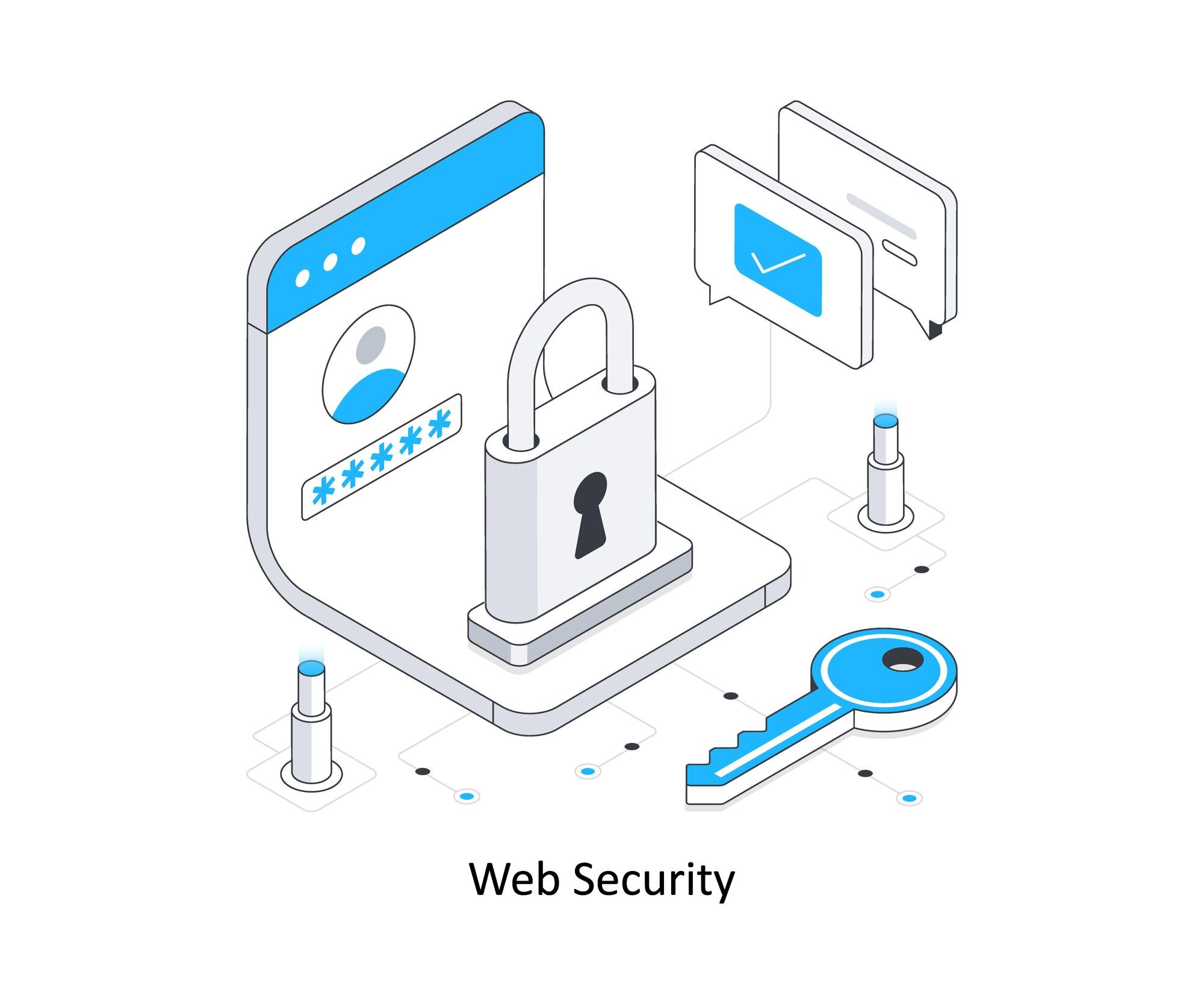
Now that you’ve grasped the basics, let’s explore how implementing RBAC enhances your software’s licensing security. Quick License Manager (QLM) offers robust features to help you integrate RBAC seamlessly.
Role-Based Access Control in Action
Implementing RBAC in your licensing system means setting clear boundaries for users. Each role should have distinct permissions that align with their responsibilities. This clarity prevents unauthorized actions and ensures smooth software operations.
For example, a license manager can create, modify, and revoke licenses, while a general user might only view them. This division of duties not only secures your operations but also increases efficiency. Users focus on their tasks without overstepping boundaries.
Integrating RBAC can seem daunting, but with QLM, the process becomes straightforward. Our platform allows you to define roles easily and assign permissions with just a few clicks. Experience the benefits by exploring this detailed resource.
Quick License Manager Features
QLM is designed to simplify your licensing needs while ensuring top-notch security. One standout feature is its intuitive role management. You can define roles and permissions effortlessly, tailoring access to your specific needs.
Additionally, our platform supports various licensing models, from perpetual to subscription, ensuring flexibility. Whether you manage a small team or a large enterprise, QLM adapts to your requirements, offering both on-premise and cloud-hosted solutions.
With QLM, enjoy seamless integration with e-commerce platforms, automating license management and distribution. This not only streamlines your processes but also enhances customer satisfaction by reducing wait times. Explore more about licensing features here.
Enhancing Software Protection
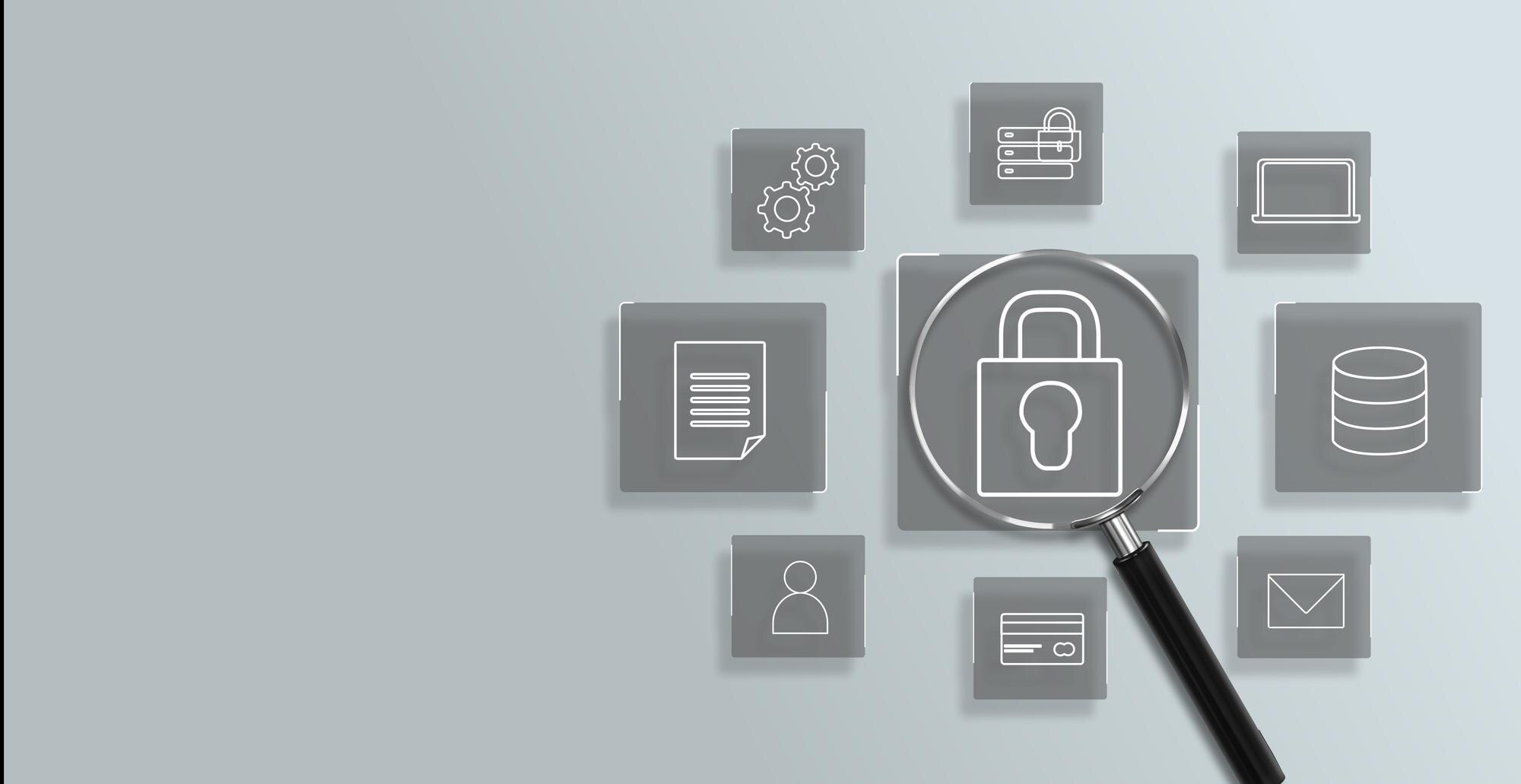
The core of software security lies in managing user roles and permissions effectively. Let’s delve into how this ensures a robust protective layer for your software.
Managing User Roles and Permissions
Effective management of user roles is paramount in maintaining control over your software environment. By assigning roles tailored to individual responsibilities, you mitigate risks associated with unauthorized access.
Imagine having a vault with multiple locks, each opened by a specific key. Assigning the right key to the right person ensures only authorized individuals access the vault’s contents. Similarly, in software licensing, defining roles precisely ensures that sensitive functionalities remain secure.
Regularly reviewing and updating these roles is crucial. As your team grows or shifts roles, adapting permissions prevents potential security gaps. Consider implementing a quarterly review to ensure roles and access levels remain aligned with current operational needs.
Scheduling a Demo with Soraco Technologies
To truly see the power of RBAC and QLM, scheduling a demo with Soraco Technologies is your next step. Our team will walk you through the features, showcasing how they can transform your licensing strategy.
During the demo, you’ll witness firsthand how easy it is to manage roles and permissions, ensuring your software remains protected. Plus, we’ll address any questions you have, tailoring solutions to fit your specific challenges.
The longer you wait, the more you risk potential security breaches. Take control today by exploring how QLM can fortify your software licensing. For more details, learn about role-based access from Microsoft’s perspective.
In conclusion, role-based access control is critical in safeguarding your software. By implementing RBAC, you not only protect your intellectual property but also streamline operations and enhance user satisfaction. Embrace this approach today to secure your software’s future.

Leave A Comment
You must be logged in to post a comment.