

Role-Based Access Control: The Backbone of Secure License Administration
Role-based access control isn’t just a checkbox for secure license administration—it’s the foundation that keeps your software safe and your teams focused. Without precise control over who can do what, managing licenses quickly becomes a tangle of risks and inefficiencies. In this post, you’ll see how Quick License Manager delivers granular permissions, audit trails, and compliance-ready workflows that simplify software license management while protecting your IP. Learn more about role-based access control and its benefits here.
Understanding Role-Based Access Control

Role-based access control (RBAC) is essential for managing who gets to do what in your software systems. It provides a structured way to ensure that only the right people have access to the right resources at the right times.
Importance of Secure License Administration
Secure license administration starts with understanding who can access your software and what they can do. If this isn’t managed well, it can lead to unauthorized use and potential data breaches. With RBAC, you assign roles to users, which dictate their access levels. For example, an administrator might have full access, while a user might only view specific data. This minimizes risks and ensures your software remains secure.
Most people think a simple password is enough for security, but RBAC adds another critical layer. When you control access based on roles, you reduce the chance of unauthorized actions. This way, your team can focus on their tasks without worrying about security lapses. Read about RBAC’s benefits in more detail here.
Benefits of Granular Permissions
Granular permissions allow you to define specific access levels within roles. This means you can tailor what each user can see and do, offering a more secure environment. With granular permissions, you can ensure that even within the same role, users have access only to the resources they need.
Consider a scenario with sales and support teams. Sales might need access to customer purchase history, but not technical support data. Granular permissions ensure each team stays in their lane, enhancing both security and productivity.
Here’s the key insight: fine-tuning permissions can drastically reduce security risks. Most people assume broad access is easier, but it’s also riskier. By focusing on granular permissions, you can align access more precisely with responsibilities. Learn more about how to implement RBAC effectively here.
Features of Quick License Manager
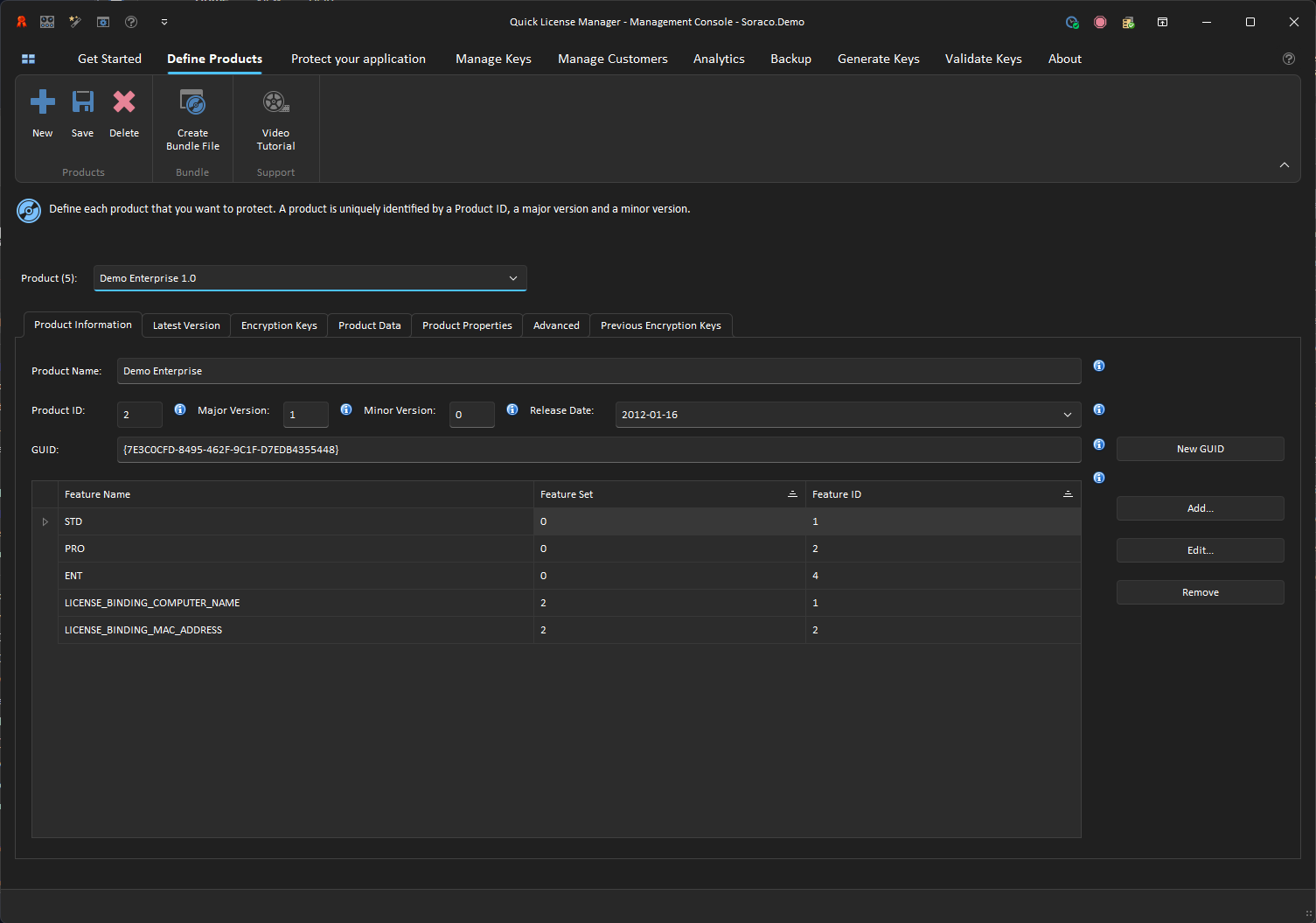
Quick License Manager (QLM) offers features that streamline your license management while enhancing security. It integrates robustly with your existing system, providing a seamless experience.
Auditability and Compliance-Friendly Workflows
Auditing is a breeze with QLM. It provides detailed logs of all activities, ensuring you’re always ready for compliance checks. This means you can track who did what and when, which is vital for maintaining security and accountability.
QLM’s compliance-ready workflows help you meet industry standards with ease. Your software’s security is bolstered by detailed records that simplify audits. With QLM, you don’t just track licenses; you manage them intelligently.
Here’s a pattern break: some think extensive logging is cumbersome, but it actually simplifies compliance. By having a clear audit trail, you can quickly address any discrepancies. Learn more about RBAC and its impact on compliance here.
Integration with Leading E-Commerce Providers
Integrating license management with e-commerce platforms is crucial for automated sales processes. QLM connects effortlessly with top providers, ensuring that your license distribution is as efficient as possible.
This integration means that when a customer makes a purchase, the license is automatically generated and distributed. It saves time and reduces errors, making your sales process smoother and more reliable.
Most people overlook the complexities of e-commerce integration, but QLM simplifies it. By automating these processes, you can focus on growing your business instead of managing licenses. Discover more about the benefits of integration here.
Scalable License Management Solutions
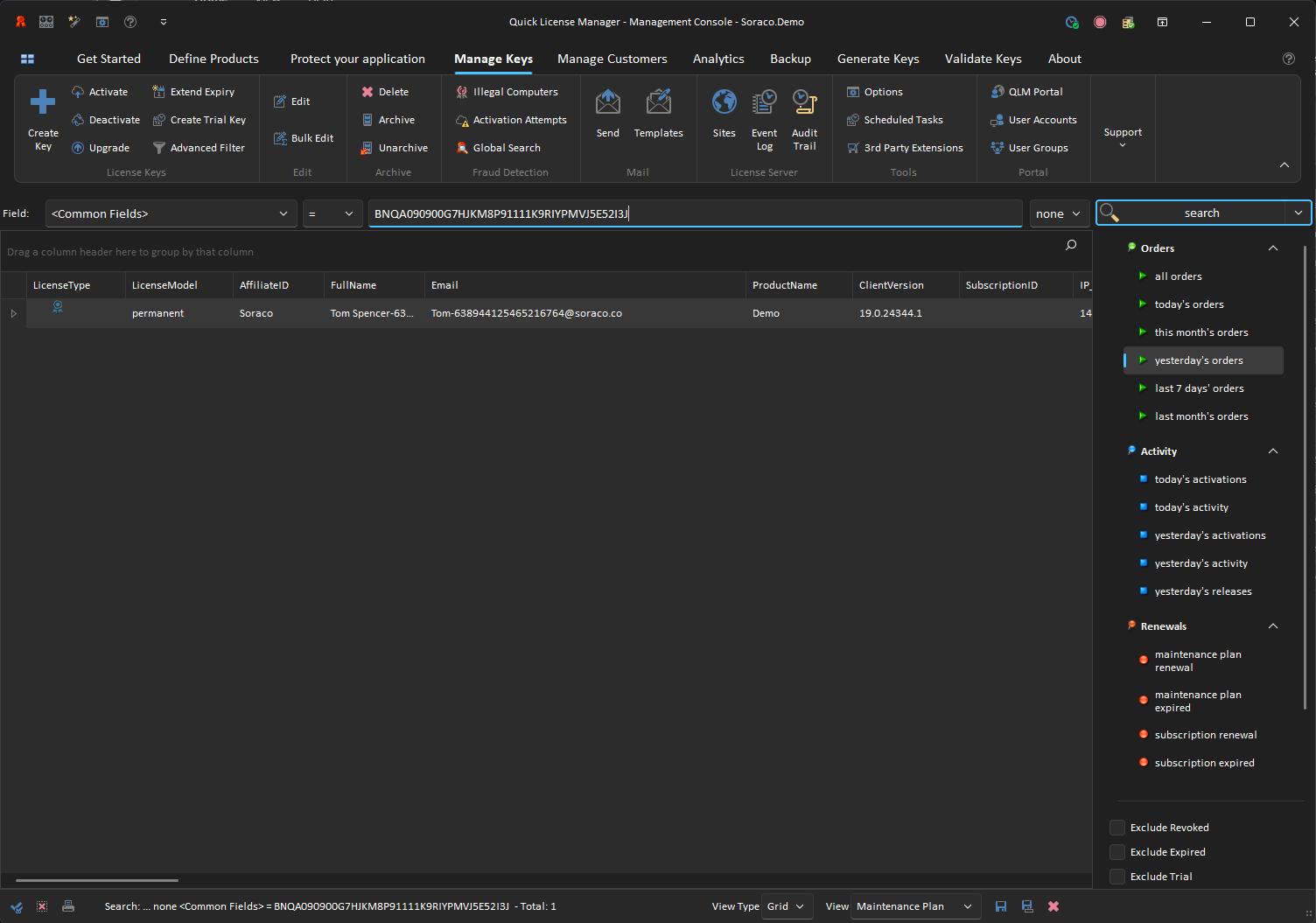
Managing licenses can be complex, but with scalable solutions, you can maintain control while supporting business growth. QLM offers flexible options for any size enterprise.
Node-Locked and Cloud Floating Licenses
Node-locked licenses tie a software license to a specific device, while cloud floating licenses allow access from different devices. QLM supports both, providing flexibility based on your needs.
Node-locked licenses are ideal for situations where software will always run on the same machine, providing stable and secure access. Cloud floating licenses, on the other hand, offer flexibility for users who need access from multiple locations.
Here’s the pattern interrupt: while many companies use only one type, combining both can optimize your operations. This dual approach provides both security and flexibility, ensuring that your resources are used efficiently.
Role of License Automation API and Analytics
Automation and analytics play a critical role in modern license management. QLM’s License Automation API allows you to integrate licensing into your existing workflow seamlessly.
With analytics, you gain insights into how licenses are used, helping you make informed decisions about future needs. This data-driven approach enhances efficiency and helps you anticipate and address potential issues.
Most people underestimate the power of analytics, but it can transform your license management. By understanding usage patterns, you can better align your offerings with customer needs, leading to increased satisfaction and loyalty.
In summary, Quick License Manager simplifies license management through RBAC, detailed auditability, and seamless e-commerce integration. Its scalable solutions and automation capabilities make it a valuable tool for any software provider looking to enhance security and efficiency.

Leave A Comment
You must be logged in to post a comment.