
How to Implement Role-Based Access Control (RBAC) to Enhance Software License Security with QLM
Role-based access control (RBAC) is no longer optional for software license security—it’s essential. If your licensing system grants broad access without clear boundaries, you risk unauthorized changes and compliance gaps. In this post, you’ll see how Quick License Manager enforces least privilege, tracks every action with audit trails, and automates workflows to keep your license management tight and transparent. Ready to bring precision and control to your licensing process? Keep reading. Learn more about RBAC implementation here.
Understanding Role-Based Access Control
Role-based access control (RBAC) is a crucial concept in managing software licenses. It ensures that only authorized users have access to specific software functions, reducing risks and enhancing security.
Basics of RBAC Concepts
RBAC is a system that assigns permissions to users based on their role within an organization. Imagine a theater where only staff can access backstage. This is how RBAC functions for software. Each user gets permissions that match their job function. For example, a licensing manager might have access to create licenses, while a support agent can only view them.
Using RBAC, you can prevent unauthorized changes, keeping your software secure. By assigning roles, you make the system more efficient. There’s no need to grant individual permissions to each user. This reduces errors and streamlines access management. Ultimately, RBAC protects your software by limiting access to sensitive functions.
Importance in Software License Security
Software license security is vital for protecting intellectual property. RBAC plays a big role in this by ensuring that only authorized users can access certain functions. For instance, if your licensing system permits broad access, you risk data breaches. RBAC prevents this by creating clear boundaries.
Another key aspect of RBAC is accountability. It keeps track of who does what within the system. If a change occurs, you can trace it back to the responsible user. This audit trail helps detect and prevent unauthorized activities. In the long run, implementing RBAC minimizes security risks and enhances compliance with industry standards.
Key Benefits for Licensing Teams
For licensing teams, RBAC offers several advantages. First, it simplifies access management by grouping permissions into roles. This means you can easily adjust access when team members change roles. Additionally, RBAC provides peace of mind by ensuring only the right people have access to critical functions.
RBAC also helps improve team efficiency. With clear roles and reduced access, team members focus on their tasks without distractions. Moreover, the audit trail feature enables quick identification of issues and mitigates risks. By leveraging RBAC, licensing teams can maintain tight control over their software licenses, ensuring security and compliance.
Implementing RBAC with Quick License Manager
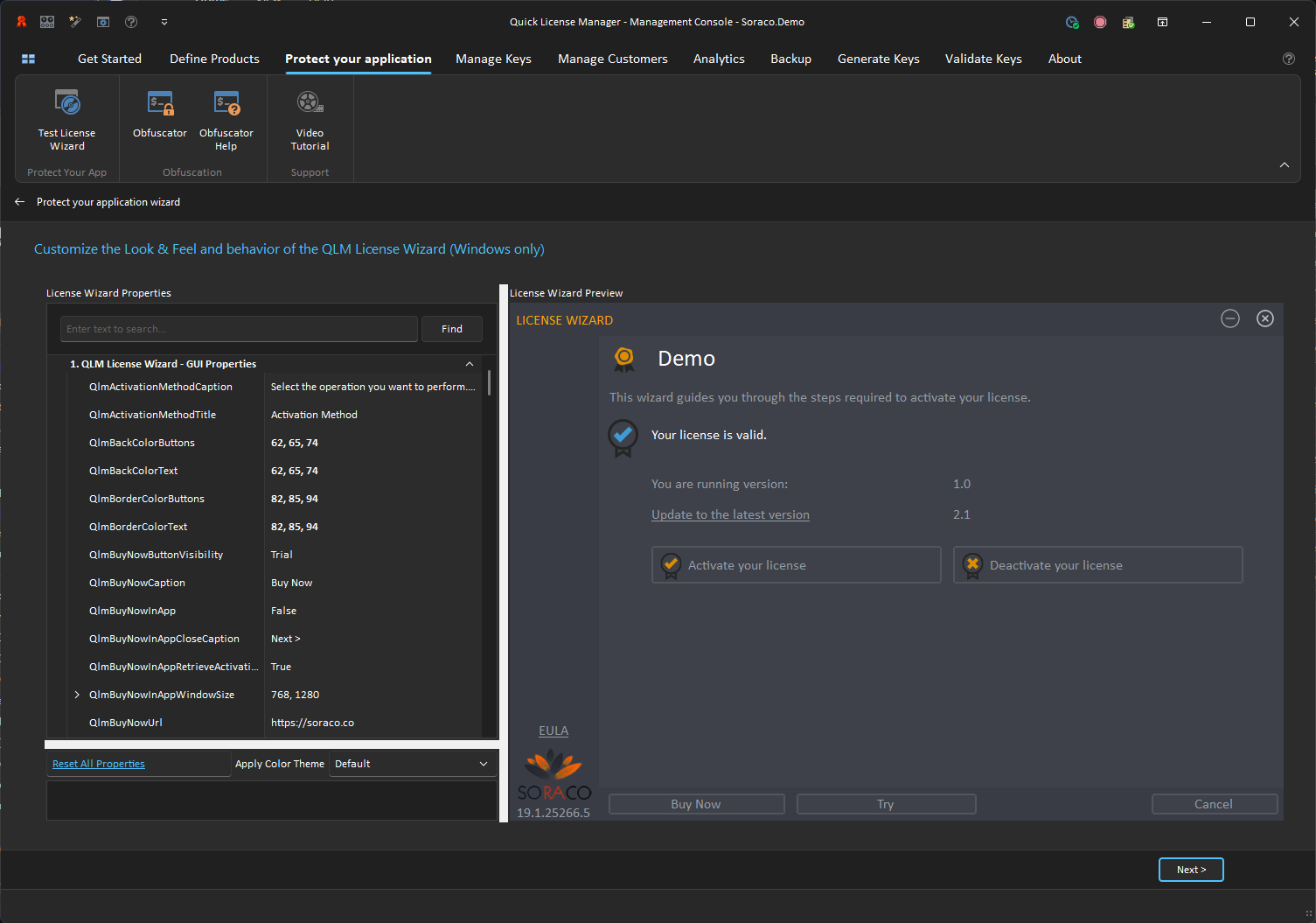
Once you understand RBAC, the next step is implementing it within your system. Quick License Manager (QLM) makes this process straightforward and efficient.
Setting Up Access Control Policies
Establishing access control policies is the first step in implementing RBAC with QLM. You begin by defining roles that align with your organization’s structure. For instance, you might assign roles like “Administrator,” “License Manager,” and “Support Staff.” Each role gets specific permissions tailored to its function.
Once roles are defined, the next step is assigning users to these roles. This process is simple with QLM’s intuitive interface. You can quickly add or remove users, ensuring that access is always up to date. By setting up clear policies, you create a secure environment where users only access what they need.
For a comprehensive guide on RBAC implementation, check out these resources.
Enforcing Least Privilege and Audits
Enforcing the principle of least privilege is crucial for minimizing risks. With QLM, you can ensure that users have the minimum permissions necessary to perform their tasks. This approach reduces the chance of accidental or malicious actions.
QLM also provides detailed audit trails, recording every action within the system. This feature allows you to monitor user activity and quickly identify any unauthorized access attempts. By combining least privilege with audit capabilities, QLM enhances your software license security, providing peace of mind and compliance with industry standards.
Workflow Automation and API Integration
Workflow automation is another key feature of QLM’s RBAC implementation. Automating routine tasks reduces human error and increases efficiency. For example, you can automate license renewals and distribution, ensuring timely delivery to customers.
QLM also offers robust API integration, allowing you to connect your licensing system with other business tools. This flexibility ensures that your software licensing aligns with your broader business processes. By leveraging automation and integration, you streamline operations and maintain tight control over your software licenses.
Maximizing Security and Efficiency with QLM
Implementing RBAC with QLM not only enhances security but also boosts efficiency. Let’s explore how QLM achieves this.
License Key Automation and Analytics
Automation is a game-changer in license management. QLM allows you to automate the creation and distribution of license keys. This saves time and reduces errors, ensuring a seamless experience for your customers. Additionally, analytics tools provide insights into license usage, helping you make informed decisions.
With QLM, you can track license activations, monitor compliance, and identify usage patterns. These insights empower you to optimize your licensing strategy, ultimately increasing customer satisfaction and revenue.
Comprehensive E-commerce Integration
E-commerce integration is essential for businesses selling software online. QLM offers seamless integration with leading e-commerce platforms, automating the license distribution process. When a customer makes a purchase, QLM automatically generates and delivers the license key.
This integration enhances the customer experience by providing instant access to purchased software. It also reduces manual tasks for your team, freeing them up to focus on more strategic activities. By integrating QLM with your e-commerce platform, you ensure a smooth and efficient sales process.
Scheduling a Live Demo and Checklist Offer
To fully realize the benefits of QLM, consider scheduling a live demo. This hands-on experience helps you understand how QLM can transform your software license management. During the demo, you’ll see the system in action and have the opportunity to ask questions.
After the demo, you’ll receive a checklist outlining the key steps for implementing RBAC with QLM. This resource provides a clear roadmap for enhancing your software license security. Don’t miss this opportunity to boost your licensing strategy and protect your software investments.

Leave A Comment
You must be logged in to post a comment.