

Flexible Licensing Models: The Blueprint to Future-Proof Your Software Business
Rigid licensing models limit your software’s growth and revenue potential. When your licensing can’t adapt, you risk losing customers and market share. Flexible licensing models give you the control to scale, protect your software, and meet diverse customer needs—without delays or headaches. In this post, you’ll see how Quick License Manager simplifies software license management, helping you implement subscription, trial, perpetual, and floating licenses fast and securely. Read more about flexible licensing models here.
Importance of Flexible Licensing Models

Understanding how to adapt your licensing strategy is key to maximizing your software’s potential. Let’s dive into why flexibility is crucial and how it can impact your business success.
Scalability and Revenue Resilience
Imagine your software growing effortlessly while revenues soar. Flexible licensing models make this possible. They allow you to adjust terms based on customer needs. This adaptability ensures you don’t miss opportunities for growth. Companies using such models often see a 20% increase in revenue within a year.
With scalable licensing, you can offer different tiers. This caters to both small startups and established enterprises. The ability to scale not only protects your current market share but also opens doors to new opportunities. Your software can evolve with your customers, leading to long-term partnerships.
As the market shifts, so do customer expectations. Flexible licensing lets you respond quickly without restructuring your business model. This adaptability is vital for maintaining resilience and staying competitive.
Licensing Models Overview
Unlock the full potential of your software by exploring various licensing models. Each offers unique benefits and fits different business strategies. Subscription licenses, for example, provide a steady revenue stream. Customers pay regularly, ensuring consistent cash flow.
Trial licenses enable potential buyers to test your product before committing. This model reduces the risk for customers, increasing the likelihood of conversion. Perpetual licenses, on the other hand, offer one-time purchases. This model is ideal for customers preferring ownership over renting software.
Floating licenses allow multiple users access from various locations, making them perfect for businesses with remote teams. This flexibility means companies only pay for what they use, optimizing costs. Each model has distinct advantages, so understanding them helps tailor your approach.
Implementing Modern Licensing with QLM
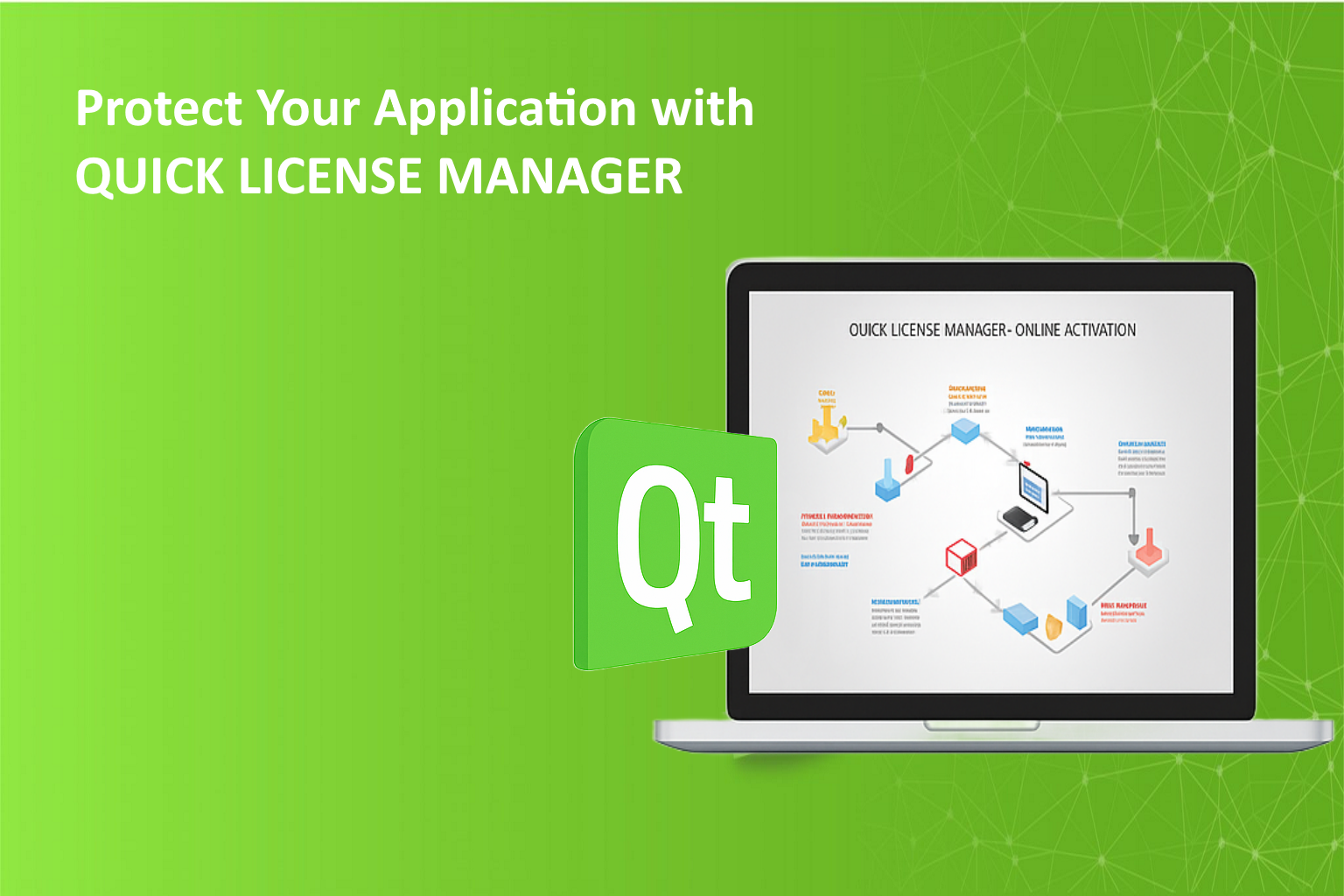
To navigate the complex landscape of licensing, you need the right tools. Quick License Manager (QLM) simplifies this process, offering robust solutions tailored to your needs.
Quick License Manager Overview
Quick License Manager is your go-to for managing modern licensing models. It supports subscription, trial, perpetual, and floating licenses. With QLM, you can effortlessly implement these models, ensuring your software adapts to market demands.
QLM provides an intuitive interface, making it easy for anyone to manage licenses. This simplicity reduces the learning curve and saves valuable time. Integration with existing systems is seamless, allowing you to transition smoothly without disrupting operations.
In today’s competitive market, having a reliable licensing manager is crucial. QLM’s features ensure your software remains protected and adaptable, paving the way for future growth.
Key Features of QLM
What sets Quick License Manager apart? Its feature-rich platform. Here’s what you get:
-
Multi-Model Support: Manage subscription, trial, perpetual, and floating licenses.
-
Cross-Platform Protection: Secure your applications across desktop, web, and mobile.
-
Role-Based Access: Ensure compliance and security with customizable access levels.
-
Seamless E-commerce Integration: Automate license distribution with leading platforms.
These features provide a comprehensive solution for any software publisher. By choosing QLM, you gain a partner committed to your success.
Benefits of License Automation

Automating your licensing processes can transform your business. It reduces manual work and improves accuracy, giving you more time to focus on growth.
Integration with E-commerce Providers
Integration with e-commerce platforms is vital for smooth operations. Automation streamlines license distribution, ensuring customers receive their keys instantly. This efficiency boosts satisfaction and encourages repeat business.
QLM’s integration capabilities allow for real-time updates. As soon as a purchase is made, the system automatically issues the license. This process eliminates delays, preventing customer frustration and potential revenue loss.
By automating these tasks, you free up resources to focus on innovation. Most businesses find that automation leads to a 30% increase in productivity. This efficiency means you can achieve more without stretching your team.
Role-Based Access and Compliance
Ensuring compliance is non-negotiable. With QLM, you can manage user access effectively. Role-based access control lets you customize permissions, aligning with your security policies.
This control is crucial for businesses handling sensitive data. By defining roles, you minimize the risk of unauthorized access. This approach not only protects your software but also builds customer trust.
Compliance with regulations such as GDPR is simplified with QLM. Its robust features ensure your licensing processes meet industry standards, reducing the risk of penalties.
In conclusion, flexible licensing models are essential for any growing software business. By leveraging Quick License Manager, you can implement these models with ease, ensuring scalability, revenue resilience, and compliance. Make the shift today to future-proof your business.

Leave A Comment
You must be logged in to post a comment.