
Flexible software licensing no longer means one-size-fits-all. Your customers expect trial, subscription, and perpetual options that fit their needs—while you need a system that scales without extra headaches. Quick License Manager (QLM) gives you the tools to manage node-locked, floating, and cloud licenses effortlessly, cutting churn and speeding up market reach. Keep reading to see how flexible licensing models can power your software business growth and why QLM is the platform to make it happen.
Flexible Licensing Models for Growth

Offering varied licensing models is key to meeting diverse customer needs and boosting your software’s appeal. Flexible options ensure you’re not leaving money on the table.
Trial, Subscription, and Perpetual Licensing
Imagine letting potential users test your software without any risk. That’s the power of trial licensing. It draws users in, allowing them to experience your product firsthand. After the trial, many will choose to continue with a subscription license, providing you with consistent revenue. Subscription models work well for users who prefer not to commit long-term. They can access updates and support as long as they stay subscribed.
On the other hand, perpetual licensing is ideal for customers who want to make a single payment. They own the software forever, which can be appealing for businesses seeking long-term solutions without ongoing costs. Offering all three models means you’re ready to cater to individual preferences, leading to a wider user base and increased sales.
Node-Locked and Floating Licenses
Now, consider how your software might be used across different devices. Node-locked licenses tie the software to a specific device. This model works for businesses that need to ensure software is used exclusively on designated hardware.
In contrast, floating licenses provide flexibility. They allow software access across multiple devices but limit the number of simultaneous users. This is perfect for teams who don’t all need access at the same time. Floating licenses can reduce costs for businesses by avoiding the need for multiple individual licenses. They also simplify license management, cutting down on administrative tasks.
Cloud and On-Premise Options
Modern software users expect convenience. Cloud licensing delivers this by allowing access from anywhere with an internet connection. It’s an attractive option for companies with remote teams, as it ensures everyone can stay up-to-date without being tied to a physical location.
Alternatively, on-premise licensing gives businesses more control. They keep everything in-house, which can be important for those with strict security requirements. By offering both cloud and on-premise options, you cater to a broader audience and meet specific business needs.
Enhancing Software Monetization

Flexible licensing isn’t just about meeting customer needs. It’s also a powerful tool for increasing revenue, improving efficiency, and expanding your market.
Revenue Scalability with Licensing
Licensing can drive your revenue to new heights. By mixing various models, you tap into diverse income streams. For instance, while subscriptions offer consistent monthly revenue, perpetual licenses bring in large one-time payments. This balance stabilizes your cash flow and opens new opportunities for growth.
A well-structured licensing strategy can lead to significant revenue increases. For example, companies offering multiple models often see a 30% boost in sales. If you’re looking to grow, licensing is the way to go.
Operational Efficiency and Lower Churn
With the right tools, managing licenses becomes a breeze. Automated systems slash the time spent on manual tasks, freeing your team to focus on more strategic activities. This efficiency reduces errors and ensures customers have a seamless experience, leading to higher satisfaction.
Moreover, flexible licensing is proven to cut churn rates. When customers have options tailored to their needs, they’re less likely to leave. This keeps your customer base stable and reduces the costs associated with acquiring new users.
Faster Market Expansion Strategies
Licensing can also be your ticket to new markets. By understanding and adapting to local preferences, you position your software as a perfect fit for international users. Flexible licensing options make it easier to enter new regions, as you’re prepared to meet varied expectations.
Expanding into new markets requires agility. Offering a range of licensing models helps you stay nimble, allowing quick adjustments to your strategies as you scale. This adaptability ensures your software is always ready to capture new opportunities.
Quick License Manager Features

Looking for a tool to support your licensing strategy? Quick License Manager (QLM) offers robust features that make managing licenses straightforward and effective.
License Automation and E-commerce Integration
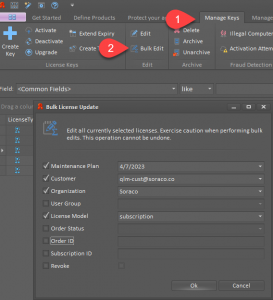
Automation is key in today’s fast-paced world. QLM helps you automate license distribution, reducing manual errors and speeding up the process. This automation also extends to e-commerce integration, ensuring that when a purchase is made, licenses are issued instantly.
This seamless process improves customer satisfaction and boosts your brand’s reputation. It’s all about making things easier for you and your users. By automating these processes, QLM frees up your resources, allowing you to focus on growing your business.
Role-Based Access and Compliance
Security is non-negotiable. QLM’s role-based access control ensures that only authorized users can manage licenses. This feature protects your intellectual property and prevents unauthorized use.
Compliance is another cornerstone of QLM. The platform is FIPS and GDPR compliant, keeping your data secure and ensuring you meet all legal requirements. This attention to compliance builds trust with your customers, showing them you take their data seriously.
Customer Self-Service and Analytics
Empower your customers with a self-service portal. This tool allows them to manage their licenses, reducing support requests and streamlining operations. Happy customers often lead to repeat business.
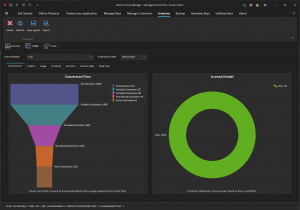
Meanwhile, QLM offers usage analytics that provide deep insights into how your software is used. These analytics help you understand user behavior and identify trends, allowing you to make data-driven decisions. With this information, you can refine your strategy and ensure your software remains competitive.
In conclusion, flexible licensing is a game-changer for software businesses. By adopting these strategies and utilizing tools like QLM, you set your business up for scalable growth, operational efficiency, and market expansion. The longer you wait to adapt, the more opportunities you might miss. Embrace these models today and watch your business thrive.