
Managing multiple licensing models is no small task—you juggle perpetual, trial, subscription, and floating licenses, each with its own quirks and challenges. If your software license management feels scattered or manual, it’s costing you time and risking compliance gaps. This post breaks down best practices to simplify your licensing strategy and introduces how Quick License Manager (QLM) automates and secures every step, so you can focus on growth. To learn more about different software licensing models, check out this guide.
Managing Diverse Licensing Models
Navigating the complex world of software licenses can be overwhelming. With the right strategies, you can turn this challenge into an opportunity. Let’s dive into how you can manage different licensing models effectively.
Perpetual Licensing Best Practices
Perpetual licenses are like a gold standard in software licensing. They offer a one-time purchase model that allows users to pay once and own the software indefinitely. Here’s how you can manage them efficiently:
-
Clear Communication: Make sure your customers understand what they’re paying for. Highlight the value of owning software without recurring payments.
-
Regular Updates: Offer updates to keep the software relevant. This maintains customer satisfaction and engagement.
-
Support Plans: Introduce optional support services as an upsell. This provides ongoing revenue and enhances customer loyalty.
For a deeper dive into perpetual licenses, check out this article.
Trial License Activation Tips
Trial licenses are a powerful way to attract new users. The key is to turn those trials into long-term customers.
-
Easy Activation: Ensure the activation process is user-friendly. A smooth start increases the likelihood of conversion.
-
Engaging Communication: Send timely emails to guide users through the trial. Highlight features and offer tips for better use.
-
Feedback Loop: Encourage users to share their feedback. This not only helps improve the product but also keeps users engaged.
Subscription License Automation Insights
Subscription models provide a steady revenue stream, but they require careful management.
-
Automated Renewals: Set up automatic renewals to reduce churn. It keeps the process seamless for users.
-
Usage Analytics: Use analytics to understand customer behavior. Identify patterns that could indicate dissatisfaction.
-
Flexible Plans: Offer various subscription options to cater to different needs. This can include monthly, quarterly, or annual plans.
Floating and Node-Locked Licenses

Floating and node-locked licenses cater to different user needs. Understanding these can help you serve your customers better.
Cloud vs On-Premise Floating Licenses
Floating licenses allow multiple users to access software, making them ideal for enterprises. You can choose between cloud-based or on-premise solutions.
-
Cloud-Based: These are perfect for remote teams. They provide flexibility, allowing access from anywhere.
-
On-Premise: Ideal for organizations with strict data security requirements. They offer more control over license distribution.
For more on floating licenses, explore this resource.
License Server Management Strategies
Managing a license server efficiently is crucial for smooth operations.
-
Regular Monitoring: Keep an eye on server performance. This helps in identifying and resolving issues promptly.
-
Load Balancing: Implement load balancing to ensure high availability. It distributes the load evenly across servers.
-
Security Protocols: Ensure your server is secure. Implement the latest security measures to protect sensitive data.
Node-Locked vs Floating License Comparison
Node-locked licenses are tied to a specific device, while floating licenses can be used by multiple users.
|
Feature |
Node-Locked |
Floating |
|---|---|---|
|
Accessibility |
Single device |
Multiple users |
|
Flexibility |
Limited |
High |
|
Ideal For |
Individual users |
Enterprise teams |
Streamlining with Quick License Manager

Quick License Manager (QLM) simplifies license management, making it easier for you to focus on growth.
E-commerce License Integration
Integrating licensing with e-commerce platforms can automate sales processes.
-
Automatic Issuance: Licenses are generated and delivered automatically after purchase.
-
Seamless Experience: Integrations with major platforms like PayPal or FastSpring streamline operations.
Role-Based Access Control in QLM
Role-based access control (RBAC) enhances security by restricting access based on user roles.
-
Granular Permissions: Assign specific permissions to different roles for better control.
-
Improved Security: By limiting access, you reduce the risk of unauthorized use.
Automated Renewal Emails and Analytics
Automation is the key to efficient license management.
-
Timely Reminders: Automated emails remind users about upcoming renewals, reducing churn.
-
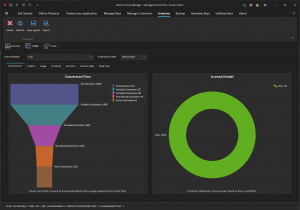
Insightful Analytics: Track license usage and customer behavior to make informed decisions.
With QLM, you can master the complexities of software licensing models, ensuring your business remains efficient and compliant. Embrace these strategies and watch your software licensing process transform! For more detailed insights on software license management, visit this guide.