Managing software licensing can feel like juggling too many balls at once—perpetual, trial, subscription, floating—each demands a different approach. If your current setup slows down sales or leaves gaps in software protection, you’re not alone. Quick License Manager simplifies license management with flexible models designed to fit your business needs, whether you want to secure intellectual property or automate e-commerce integration. Let’s explore how these licensing options can work for you. Read more here.
Understanding Software Licensing Models
Navigating the world of software licensing can be complex, but understanding each model helps you choose the best fit for your business. Let’s break down the primary models and see how they can boost your software protection.
Perpetual License Explained
A perpetual license allows users to pay once and use the software indefinitely. This model is ideal if you want to provide long-term access without ongoing fees. Perpetual licenses are commonly used in industries where software is a critical tool and frequent updates aren’t essential. With a perpetual license, your customers enjoy lifetime usage, giving them a sense of ownership and stability.
-
Value for Money: Customers pay a one-time fee, offering budget predictability.
-
Ownership Feel: Users feel they truly own the software, which can enhance satisfaction.
For businesses, offering a perpetual license can streamline revenue recognition and reduce administrative tasks. Learn more about perpetual licensing here.
Trial License Benefits
Trial licenses give potential customers a taste of what your software can do. This model is especially effective for attracting new users and showcasing your software’s unique features. By allowing a limited-time trial, you lower the barrier to entry and can convert hesitant prospects into committed customers.
-
Try Before Buy: Users experience full functionality, which can boost conversion rates.
-
Trust Building: Offering a trial demonstrates confidence in your product.
Most people assume trials are just teasers, but they can be a powerful marketing tool when done right. Highlight your software’s unique selling points during the trial period to maximize engagement.
Subscription License Applications
Subscription licenses are increasingly popular, providing ongoing access to software for a regular fee. This model suits businesses seeking steady revenue and customers who prefer lower upfront costs. Subscriptions often include updates and support, adding value for users who rely on the latest features.
-
Regular Updates: Users get the newest features without additional charges.
-
Predictable Revenue: Businesses benefit from consistent income streams.
The longer you wait to switch to a subscription model, the more customer loyalty you might miss out on. Explore the benefits of subscription models here.
Floating License Insights

Floating licenses offer flexibility, allowing a set number of users to share access. This is ideal for enterprises with varying usage patterns, saving money and optimizing resources.
How Floating Licenses Work
With floating licenses, your software resides on a central server. Multiple users can access it, but only a limited number at the same time. This model is perfect for businesses where not every employee needs constant access.
-
Cost-Effective: Reduces the number of licenses needed.
-
Flexible Access: Users can access the software as needed, but only a specific number at once.
Challenge the common belief that each user needs a separate license. Floating licenses provide a balance between access and expense, making them a smart choice for many organizations.
Advantages for Enterprises
For large enterprises, floating licenses offer significant advantages. They minimize costs while maximizing software availability. This approach aligns well with dynamic work environments where teams need flexible access to tools.
-
Scalability: Easily adjust to changing team sizes and demands.
-
Resource Management: Allocate licenses based on current needs, avoiding waste.
Most businesses think a one-size-fits-all approach works, but floating licenses show how tailored solutions can drive efficiency. Discover more about floating licenses and their benefits.
Quick License Manager Capabilities

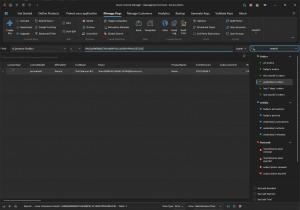
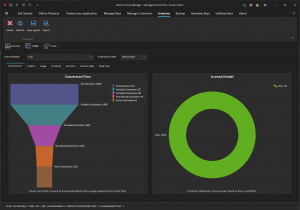
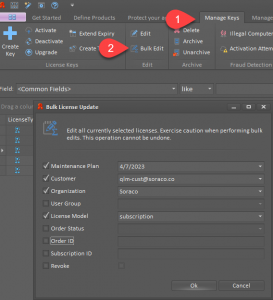
Quick License Manager (QLM) brings a comprehensive approach to software protection and management, ensuring your intellectual property remains secure while streamlining operations.
Software Protection Features
QLM offers robust protection features to safeguard your software. These include encryption and license validation to prevent unauthorized access. Protecting your product ensures your hard work remains yours, deterring piracy and unauthorized use.
-
Encryption: Keeps your software secure from unauthorized access.
-
Validation: Ensures only licensed users can access your software.
Most people overlook the importance of security until it’s too late. With QLM, you can proactively protect your intellectual property and maintain control over your software distribution.
E-commerce Integration Explained
Integrating QLM with e-commerce platforms automates the licensing process, enhancing the customer journey. This integration means seamless transactions and instant license delivery, improving user satisfaction and reducing manual tasks.
-
Automation: Simplifies license distribution, reducing errors.
-
Customer Satisfaction: Provides immediate access upon purchase, boosting user experience.
Ignoring e-commerce integration could mean lost sales and frustrated customers. Embrace automation to stay competitive in today’s digital marketplace.
By understanding and applying these licensing models, your business can thrive in a competitive market. Whether you choose perpetual, trial, subscription, or floating licenses, each model can be tailored to suit your needs. Quick License Manager stands ready to support your journey toward efficient license management and robust software protection.