
Software licensing isn’t one-size-fits-all, yet many publishers struggle to match their business with the right model. Perpetual, trial, subscription, and floating licenses each serve distinct goals—but how do you choose and implement them effectively? This guide breaks down these licensing types and shows how Quick License Manager supports your needs while protecting your software and streamlining operations.
Understanding Software Licensing Models

Choosing the right licensing model can be crucial for your software’s success. Let’s explore the options available to you.
Perpetual Licenses Explained
Perpetual licenses allow users to pay once and own the software forever. This model suits those who prefer a one-time investment over recurring payments. For example, consider a design software that offers a perpetual license at a flat rate. This attracts customers who prefer long-term solutions without ongoing costs.
However, perpetual licenses can challenge software publishers in maintaining consistent revenue. A perpetual license doesn’t guarantee ongoing income, which is why some businesses turn to other models to sustain cash flow. To mitigate this, many companies offer add-ons or support packages as additional revenue streams.
For those interested in this model, understanding its impact on both your business and customers is vital. To learn more about the benefits and challenges of perpetual licenses, read more here.
The Role of Trial Licenses
Trial licenses provide a limited-time access to your software, allowing potential customers to test its features before committing. This model is particularly effective for businesses aiming to showcase their product’s value without requiring an upfront investment.
Imagine offering a 30-day trial for a productivity app. Users can experience the app fully, increasing the likelihood they will convert to paying customers. Many users prefer trying before buying, making trial licenses an effective conversion tool.
The key is to balance trial length and restrictions to ensure users see value yet remain motivated to upgrade. By monitoring usage patterns during trials, you can identify what engages customers the most, tailoring your marketing efforts accordingly.
Subscription Licenses for Flexibility
Subscription licenses have gained popularity due to their flexibility and steady revenue streams. They cater to users who prefer manageable monthly or yearly payments. A popular example is software that provides ongoing updates and support as part of the subscription fee.
This model is beneficial for both businesses and customers. Companies enjoy predictable income, while users benefit from continuous improvements and customer support. Subscriptions create ongoing relationships, fostering loyalty and long-term engagement.
Deciding if a subscription model suits your software requires examining your product lifecycle and customer needs. Explore more about transitioning to a subscription model.
Floating Licenses in Detail

Floating licenses offer flexibility, especially for teams. They allow a specified number of users to access the software simultaneously, perfect for businesses with multiple employees needing access at different times.
Advantages of Floating Licenses
Floating licenses leverage optimal resource use, reducing costs for organizations. Instead of purchasing individual licenses, a company can buy a floating license for shared access among team members. This is ideal for businesses with varied software needs across departments.
For instance, a marketing agency might use a floating license for design software, enabling different team members to work on projects as needed. This flexibility maximizes software use without unnecessary expenses.
Floating licenses also simplify management. Administrators can oversee license distribution, ensuring compliance and avoiding unauthorized use. This control enhances security and operational efficiency.
Implementing Floating Licenses
Successfully implementing floating licenses requires clear policies and tools for monitoring usage. Quick License Manager simplifies this with features designed for easy management. Setting up a floating license involves defining user limits and ensuring network connectivity for license verification.
Training your team on the benefits and usage rules of floating licenses ensures smooth adoption. Effective communication with stakeholders is crucial for addressing any concerns or misconceptions.
Quick License Manager Features

Quick License Manager (QLM) offers robust tools to support diverse licensing needs, making it an ideal choice for businesses seeking comprehensive solutions.
License Management Automation
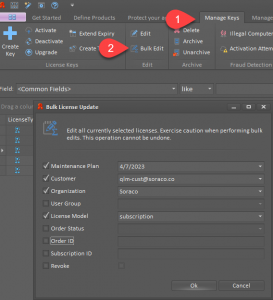
QLM automates the tedious aspects of license management, freeing up your time. Its advanced features handle license creation and activation seamlessly. This automation reduces human error, enhancing efficiency and reliability.
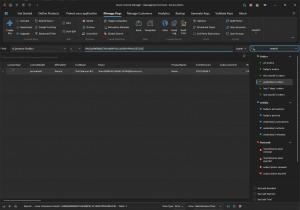
Additionally, the user-friendly interface ensures quick access to essential functions. You can easily track license usage, renewals, and expirations, all from one centralized dashboard.
E-commerce Integration Benefits
Integrating QLM with your e-commerce platform streamlines sales processes. By automating license distribution post-purchase, you ensure customers receive their licenses without delay. This integration enhances your customer experience, building trust and satisfaction.
QLM supports multiple e-commerce providers, allowing you to choose the best fit for your business. This flexibility ensures smooth operations and a cohesive sales strategy.
Software Protection with QLM
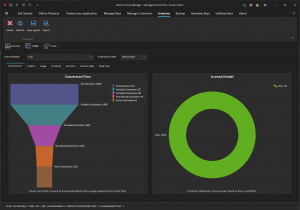
Protecting your intellectual property is paramount, and QLM excels in this area. It offers robust security measures to safeguard your software against unauthorized use. With features such as role-based access control and comprehensive analytics, you maintain control over your product.
QLM’s encryption capabilities provide an additional layer of security, ensuring your software remains protected from potential threats. This peace of mind allows you to focus on growth and innovation.
In summary, selecting the right licensing model is essential for your software’s success. By understanding these models and leveraging tools like Quick License Manager, you can enhance your operations and protect your intellectual property effectively.