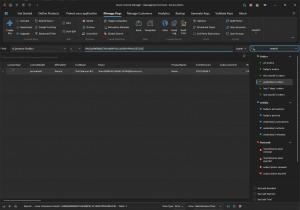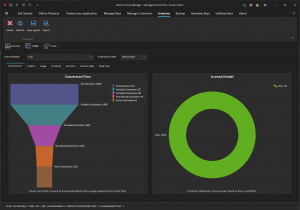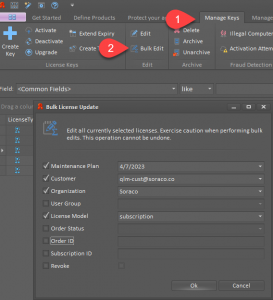

Most software publishers lose track of how customers actually use their products—and it costs them. Without clear software license analytics, you miss crucial clues to optimize licensing models and improve customer retention. Quick License Manager from Soraco Technologies provides detailed usage reports that reveal inactive trial users and hidden opportunities to refine your licensing strategy. Keep reading to see how these insights can strengthen your software protection and turn trial users into loyal customers. For more information, visit this article on software license management.
Leveraging Software License Analytics
Software license analytics can offer insights that go beyond the surface. By understanding how your licenses are used, you can make more informed decisions. This section explores the basics and benefits of license analytics.
Understanding Software License Analytics
Software license analytics provide a window into how users interact with your product. These insights can reveal patterns in license usage that are not immediately obvious. For instance, you might discover that a significant portion of your trial users only engage with specific features. By identifying these patterns, you can tailor your product to meet real user needs, rather than assumed ones.
Imagine you have a software package with multiple features. With analytics, you can see if users are skipping over certain functions. This information is vital in deciding what features might need more visibility or even a tutorial. Most people think they know their users, but analytics often reveal surprising truths. For more on this, check out this resource.
Benefits of License Analytics
The benefits of software license analytics are numerous. First, they help you see which licenses are underutilized, pointing to potential upsell opportunities. Second, they allow you to track how different segments of your market interact with your product. This is key in building targeted marketing campaigns.
Consider a scenario where analytics show that trial users drop off after three days. Knowing this, you can create engaging content to keep them interested past this point. Analytics can also highlight geographical trends, helping you tailor your offerings to specific regions. Here’s the key insight: understanding user behavior is the foundation to improving your product. For more strategies, visit this article.
Optimizing Licensing Models
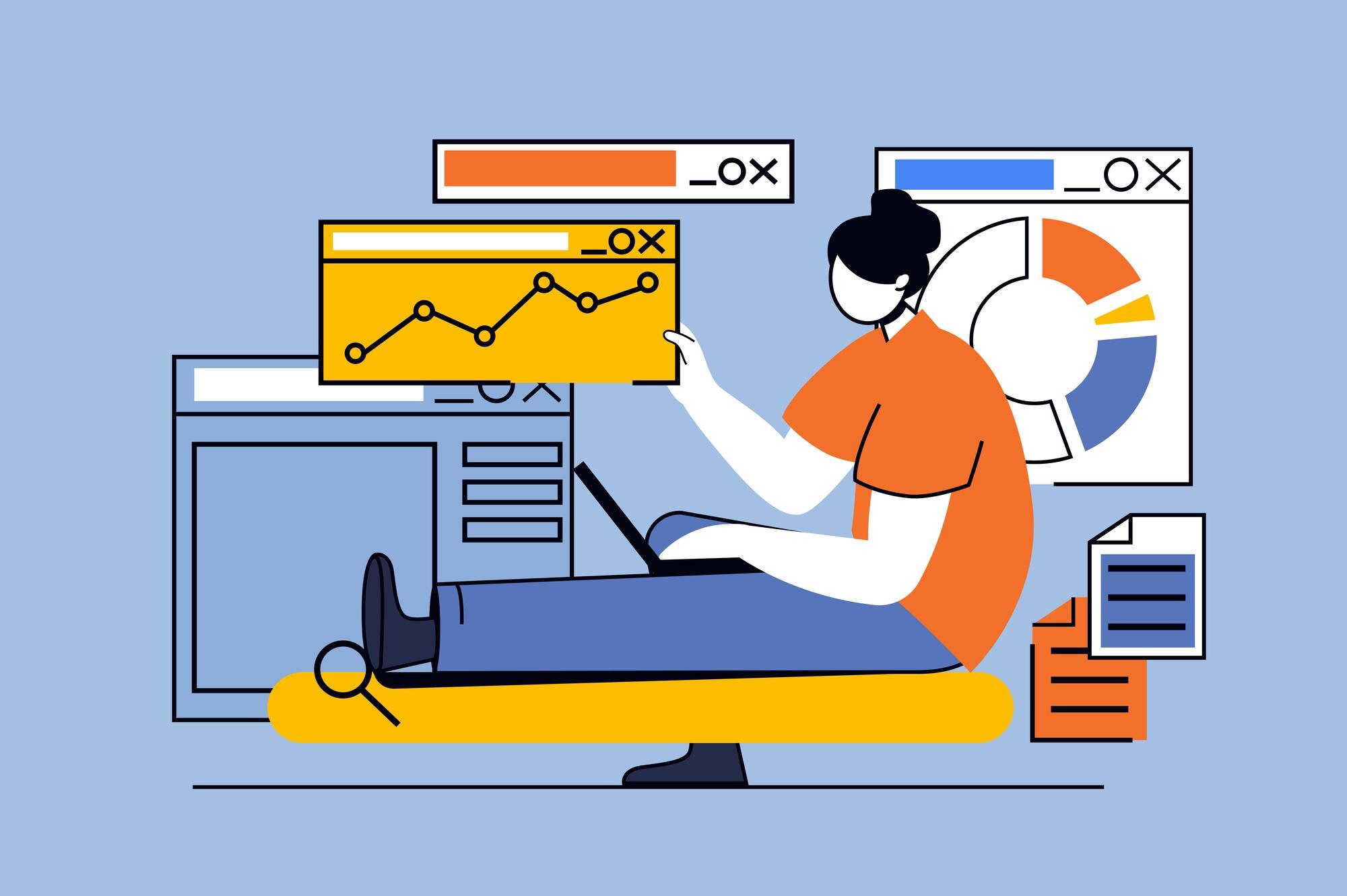
With insights from analytics, optimizing your licensing models becomes an attainable goal. Tailoring your models to fit user needs can dramatically increase satisfaction and retention. Let’s explore how to make this optimization work for you.
Tailoring Models with Analytics
Using analytics, you can identify which licensing models resonate most with your audience. This allows you to tailor models to meet specific demands. For example, if you notice a preference for subscription-based licenses over perpetual ones, you can shift your focus accordingly.
Analytics can also pinpoint which features are most valued, guiding you in adjusting pricing tiers. By aligning your pricing with user preferences, you create a win-win scenario. Think about it: if you were a customer, wouldn’t you want a package that fits your exact needs? This kind of tailoring not only boosts sales but also builds loyalty. To delve deeper, check out this resource on licensing models.
Enhancing License Management
Effective license management ensures that both you and your customers get the most out of the software. By leveraging analytics, you can streamline management processes. This reduces administrative burdens and enhances user satisfaction.
For instance, automation can handle routine tasks like renewals and upgrades. This way, your team can focus on more strategic initiatives. Moreover, analytics can alert you to potential compliance issues before they become problems. The longer you wait to optimize these processes, the more you risk losing to inefficiencies. For strategic insights, explore this article on license optimization.
Improving Customer Retention

Retaining customers is often more cost-effective than acquiring new ones. Here, we’ll discuss how engaging trial users and boosting loyalty can improve retention.
Engaging Trial Customers
Trial customers represent a unique opportunity. By effectively engaging these users, you can convert them into loyal customers. Analytics can help you understand what trial users are looking for, allowing you to provide tailored experiences that meet their specific needs.
For example, data might show that users who engage with a particular feature are more likely to convert. Armed with this knowledge, you can spotlight this feature in your trial onboarding process. Most companies overlook the power of personalized trials, but this strategy can significantly boost conversions.
Boosting Customer Loyalty
Building customer loyalty requires a deep understanding of your users. License analytics can provide this understanding by revealing user preferences and behaviors. By recognizing what keeps your current customers happy, you can strengthen these areas and improve your overall service.
Loyalty programs tailored to user behavior can incentivize continued engagement. Imagine a system where frequent users receive exclusive updates or features. This not only rewards loyalty but also encourages further use. Here’s the takeaway: the more you understand your users, the better you can serve them, leading to stronger customer relationships.
In conclusion, software license analytics offer invaluable insights that can transform your business. From optimizing licensing models to enhancing customer retention, the benefits are clear. By leveraging these tools, you can ensure that your software not only meets but exceeds customer expectations.